Leaders and members of the African Democratic Congress on Wednesday staged a protest in Abuja against actions of the Independent National Electoral Commission, which they alleged threaten democracy and the party’s internal stability.
The protest, tagged #OccupyINEC, drew prominent opposition figures, including former Senate President, David Mark; former Vice President, Atiku Abubakar; former Osun State governor, Rauf Aregbesola; Labour Party’s 2023 presidential candidate, Peter Obi; former Kano State governor, Rabiu Kwankwaso; and ex-lawmaker, Dino Melaye.
The demonstrators, who gathered at the Maitama axis of the Federal Capital Territory, marched towards the commission’s headquarters, defying rainfall as they demanded electoral accountability ahead of the 2027 general elections.
Addressing the protesters, Obi called on Nigerians to defend democratic values and resist any attempt to impose a one-party system.
“We must not allow our democracy to be undermined. Nigerians must rise to defend the unity, peace and democratic future of this country,” he said.
Similarly, former Minister of Transportation, Rotimi Amaechi, criticised the current administration, urging citizens to demand accountability and better governance.
The protest followed INEC’s decision not to recognise correspondence from factions within the ADC amid a leadership dispute, a move opposition figures described as interference in internal party affairs.
Speaking earlier, National Coordinator of the Obidient Movement, Yunusa Tanko, said the demonstration was aimed at mobilising Nigerians to protect democratic institutions.
According to him, the action of the electoral body had raised concerns about its neutrality.
The protest later grew into a broader coalition rally, attracting participants from various political groups across the country.
Meanwhile, addressing supporters at a separate event marking his 78th birthday, Mark sought to downplay the internal crisis within the ADC, assuring members that there was no cause for alarm.
He described the situation as part of the party’s evolution, reaffirming its commitment to democratic principles and national development.
During the protest, ADC leaders outlined a six-point demand, including the resignation or removal of the INEC Chairman, withdrawal of what they described as controversial correspondence to the party, and a formal apology.
Other demands included a commitment by the commission to avoid interference in party affairs, as well as the possibility of legal action and civic mobilisation if their grievances were not addressed.
The party accused the electoral body of overstepping its constitutional role by interpreting court rulings and allegedly aligning with factional interests.
It warned that such actions could erode public confidence in the electoral process and weaken Nigeria’s multi-party system.
In a related development, a former Zamfara Central senator, Kabiru Marafa, alleged that the commission was dominated by members of the ruling All Progressives Congress, raising further concerns about its neutrality.
He warned against any attempt to impose a one-party state, insisting that Nigeria’s diversity would not support such a system.
Also, opposition figures across party lines held a closed-door meeting at Mark’s residence in Abuja, where discussions centred on strengthening collaboration ahead of the 2027 elections.
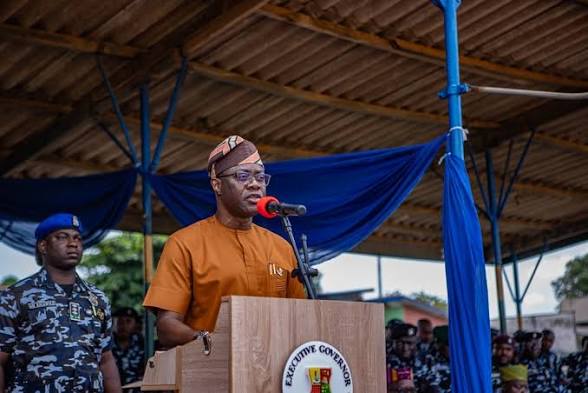
Among those present were Atiku, Obi, Kwankwaso, Amaechi and Oyo State Governor, Seyi Makinde.
Makinde, who spoke after the meeting, described the visit as a show of solidarity and reaffirmed the commitment of political actors to preserving democratic values.
He stressed the need for cooperation across party lines to ensure stability and public confidence in the electoral process.
Meanwhile, a United States-based lobbying firm, Von Batten-Montague-York, has warned that it may recommend sanctions against Nigerian politicians and electoral officials found to be undermining the country’s democratic process.
The firm said such measures could include asset freezes and travel bans, as part of efforts to promote credible elections and accountability.