A United States Senator, , has accused some Nigerian officials of complicity in the killing of Christians in the country.
Cruz made the allegation on Tuesday during a Senate Foreign Relations subcommittee hearing on the United States’ counterterrorism efforts in Africa.
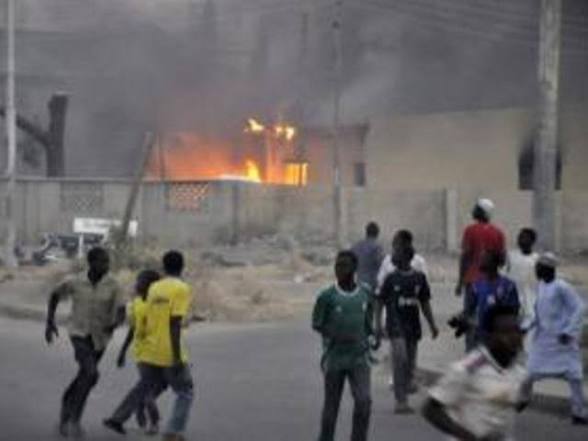
The lawmaker claimed that Nigeria records the highest number of Christians killed on account of their faith globally, alleging that over 50,000 Christians have been killed since 2009, while more than 20,000 churches, schools and religious centres have been destroyed.
“Nigerian officials have, unfortunately, been complicit in facilitating these atrocities,” he said.
Cruz linked part of the violence to the operation of Sharia law in some northern states and criticised Nigerian authorities for what he described as a slow response to insecurity.
He also recalled a previous engagement with Nigerian defence and security officials, noting that assurances given to curb the violence had yet to yield expected results.
“I told them I would judge their commitment by results, and those results have yet to materialise,” he added.
The senator had, in October, introduced the Nigeria Religious Freedom Accountability Act of 2025, aimed at holding Nigerian officials accountable over alleged violations of religious freedom.
During the hearing, Cruz questioned a senior official of the US State Department’s Bureau of African Affairs on the outcome of engagements between both countries.
Responding, the official noted that Nigeria had shown some level of cooperation with the US, citing reforms within its security architecture, including leadership changes, recruitment of additional personnel and deployment of forest guards to troubled areas.
He also pointed to increased prosecution of suspected terrorists and the establishment of a bilateral working group following talks between Nigeria’s National Security Adviser, , and US Under-Secretary of State, .
The official added that recent US support for Nigerian security forces underscores ongoing collaboration, but stressed that more efforts are required to address the security challenges.
“We’ve seen positive steps, but certainly more can be done,” he said.