Residents across Niger State have expressed frustration over prolonged electricity shortages, even as the state government promotes solar energy as an alternative power source.
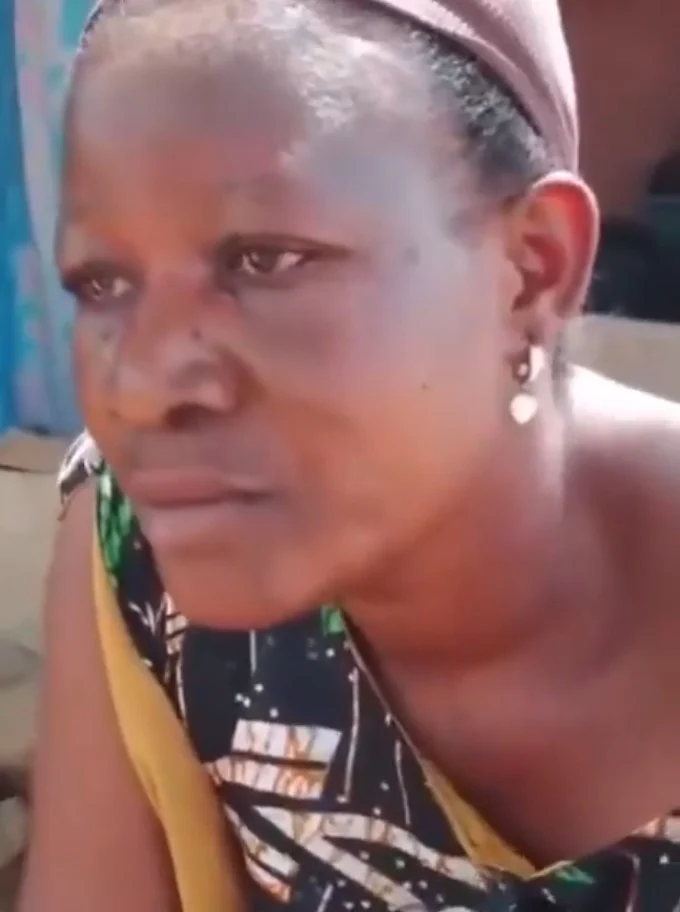
Many communities report days without electricity, with supply dropping to just a few hours daily, particularly during the Eid al-Fitr period. The situation has affected households, businesses, and essential services, with residents describing the heat and lack of power as unbearable.
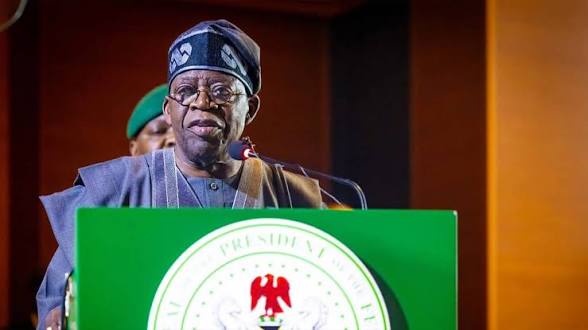
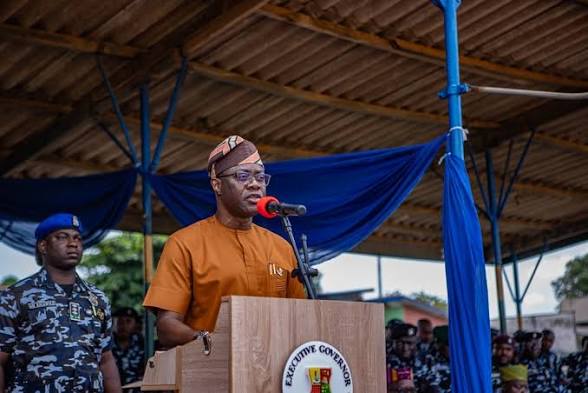
In response, the state government, led by Umaru Bago, has encouraged citizens to adopt solar energy while gradually reducing dependence on the national grid. The administration says several government institutions and over 180 communities have already transitioned to mini solar systems.
However, residents argue that the push is unrealistic given the high cost of solar installations, especially amid economic hardship. Many say they cannot afford the transition and expect government intervention to improve grid electricity instead.
Despite hosting major hydropower facilities such as Kainji, Jebba, and Shiroro dams, Niger State continues to experience unreliable power supply. Electricity generated in the state is fed into the national grid and distributed by the Abuja Electricity Distribution Company, but infrastructure challenges and distribution issues limit access for local communities.
Energy experts have noted that while decentralised power solutions like solar are part of the future, they should complement, not replace, reliable national grid supply. Meanwhile, residents continue to call for improved infrastructure, fair distribution, and more affordable access to electricity.