The rescue of a 22-year-old physically challenged woman from Imo State has uncovered a transnational human trafficking network linking Nigeria, Benin Republic and Mali, prompting renewed calls for urgent government action.
The victim, Princess Nnenna, was returned to Nigeria through the intervention of the Global Anti-Human Trafficking Organisation, which warned of a rising trend in cross-border trafficking involving vulnerable young women, particularly from the South-East.
According to the organisation, Nnenna’s experience revealed a coordinated trafficking route spanning Imo, Onitsha and Lagos, from where victims are moved through Cotonou in Benin Republic to Mali.
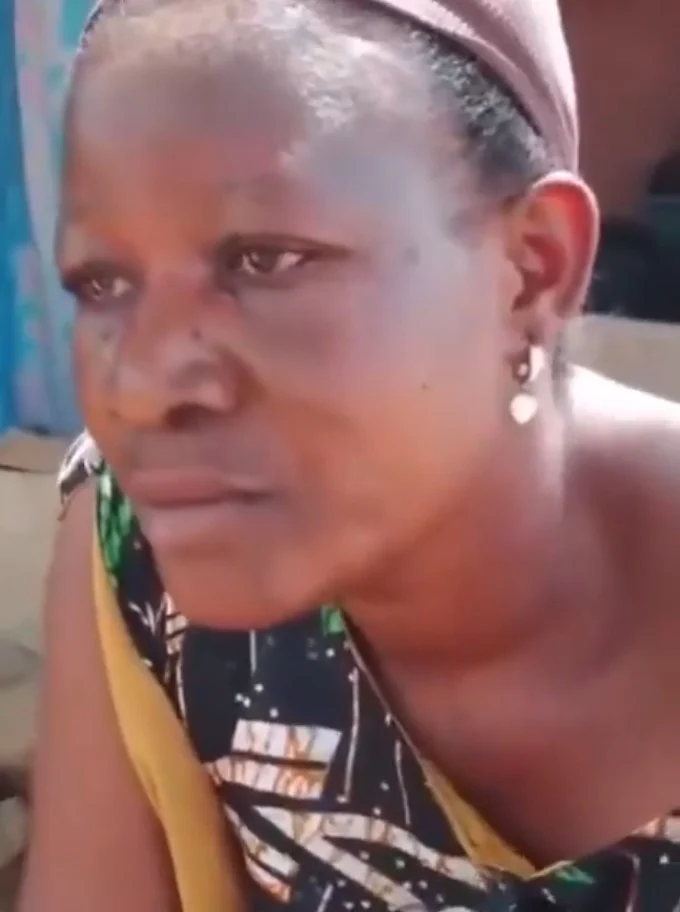
Recounting her ordeal, Nnenna said she was recruited by a woman operating around an underbridge and later transported out of the country with promises of economic opportunities. She alleged that upon arrival in Mali, she was placed under a handler alongside other Nigerian girls and compelled into prostitution.
She added that victims were required to remit earnings to their traffickers, though the terms of repayment were not disclosed to her before departure.
The victim said economic hardship and her responsibility to care for her young child and ailing mother influenced her decision to accept the offer, despite being aware of the nature of the work.
However, her stay was cut short after her health deteriorated. Nnenna, who suffers from epilepsy linked to a childhood stroke, said she experienced frequent seizures after running out of medication, making her unable to meet the demands of her traffickers.
She was subsequently returned to Nigeria and later rescued.
Her mother, Mrs Ipe Ikenna Laura, said she was unaware of her daughter’s travel until she was contacted following her return, describing the situation as distressing.
The victim, currently in Senior Secondary School II, appealed for assistance to continue her education or acquire vocational skills, as well as access medical care.
The anti-trafficking organisation urged the Imo State Government and relevant agencies to provide rehabilitation and empowerment support for survivors, particularly those with underlying health conditions.
It also called on stakeholders, including the Ministry of Women Affairs and Social Welfare, to strengthen interventions aimed at addressing the socio-economic factors driving trafficking and preventing a recurrence.
The organisation noted that the case highlights the growing sophistication of trafficking networks across West Africa and the need for coordinated efforts to dismantle them while supporting victims.