Opposition political leaders on Saturday in Ibadan, Oyo State, vowed to close ranks ahead of the 2027 general elections, declaring plans to present a single presidential candidate to challenge the ruling All Progressives Congress.
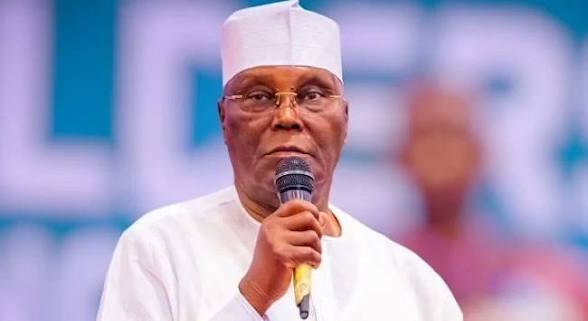
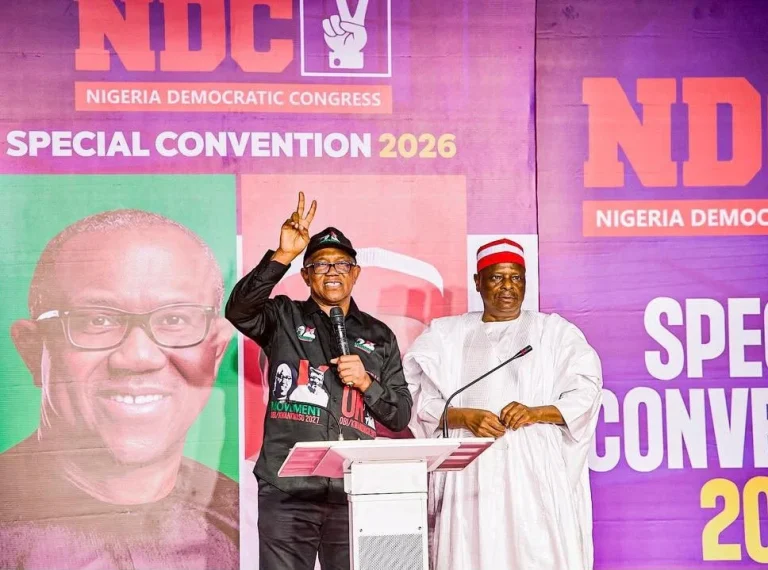
The resolution was contained in a communiqué issued at the end of a national opposition summit attended by prominent figures including Atiku Abubakar, Rabiu Kwankwaso, Rotimi Amaechi, Peter Obi and Rauf Aregbesola.
Reading the communiqué, a factional chairman of the Peoples Democratic Party, Taminu Turaki, said the opposition would resist any attempt to turn Nigeria into a one-party state.
“We shall resist all machinations by the APC to foist a one-party state on Nigeria and fight for the survival of multi-party democracy in our country,” the statement read.
The coalition also affirmed its readiness to contest the next general elections, insisting that the 2027 polls would not be predetermined.
It further disclosed plans to present a joint presidential candidate, saying: “We shall work towards fielding one presidential candidate for the 2027 elections, which shall be agreed and supported by all participating opposition parties to rescue our nation and her long-suffering masses.”
On electoral administration, the opposition called for a change in leadership at the Independent National Electoral Commission, alleging bias.
“The INEC Chairman, Joash Ojo Amupitan, having shown bias and partisanship in favour of the ruling APC, should not conduct the 2027 general elections,” it stated.
It also urged the National Assembly to urgently amend the Electoral Act, 2026, to safeguard electoral integrity, and called for the release of political actors it said were being detained over bailable offences.
The communiqué further criticised INEC’s recent guidelines, describing them as restrictive, and demanded an extension of the deadline for party primaries to July 2026.
Earlier, Oyo State Governor, Seyi Makinde, who hosted the summit, warned that Nigeria’s democracy was gradually weakening due to shrinking political competition.
He said political concentration and weakening opposition structures posed a serious threat to democratic survival, noting that democracy is eroded gradually rather than abruptly.
Makinde stressed that democracy must be sustained by the existence of credible alternatives, warning that governance loses meaning when opposition becomes ineffective.
He, however, clarified that the summit was not targeted at any individual or political party, but aimed at strengthening democratic engagement and national stability.
Political economist Pat Utomi, who also spoke at the event, highlighted the worsening economic hardship in the country, citing rising fuel and food prices, insecurity, and widening inequality.
He said Nigeria’s economic challenges reflected deeper structural and moral failures, calling for leadership anchored on character, discipline and locally relevant policies.
Utomi maintained that although the situation was grave, it remained reversible with the right leadership and reforms.
National Chairman of the African Democratic Congress, David Mark, in his remarks, described the summit as a “national rescue mission,” warning that insecurity and governance failures had reached alarming levels.
He said Nigeria faced worsening insecurity, citing reported killings and abductions, and accused the ruling party of downplaying the crisis.
Mark also questioned the credibility of the electoral process, warning that public confidence in the system was eroding.
He urged opposition parties to unite, insisting that no single party could challenge the entrenched political structure alone.
The summit ended with calls for unity among opposition blocs and a coordinated strategy ahead of the 2027 elections.