The United States House Appropriations Committee has introduced stricter conditions and oversight measures on financial assistance to Nigeria in its latest State Department funding bill.
The provisions are contained in the Fiscal Year 2027 National Security, Department of State, and Related Programs Appropriations Bill approved by the committee on Wednesday.
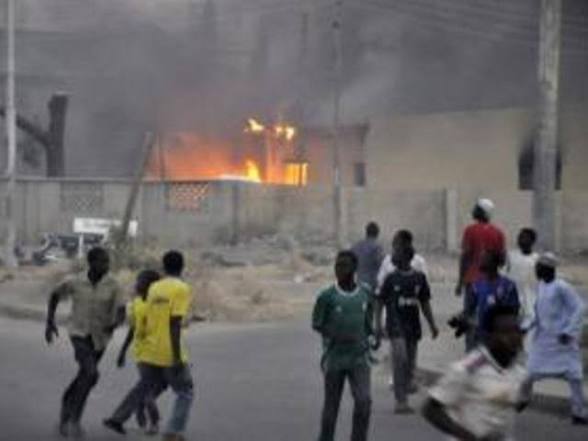
The lawmakers cited concerns over the Federal Government’s handling of insecurity, particularly violence against Christians, including attacks allegedly linked to armed groups and insurgents.
Under the proposal, no specific allocation was earmarked for Nigeria. However, the bill stipulates that half of any funds designated for the country under foreign assistance programmes would be withheld until certain conditions are met.
The conditions include certification by the US Secretary of State that the Nigerian government is taking concrete steps to address violence, prosecute offenders, support victims, and facilitate the return and resettlement of displaced persons.
The bill also requires that funds be channelled towards investigations and prosecution of violent crimes, as well as strengthening the capacity and accountability of security agencies.
In addition, the legislation proposes a cost-sharing arrangement, requiring the Nigerian government to match US financial contributions with equivalent funding from its own budget.
Other areas of focus outlined in the bill include humanitarian support, restoration of essential services in conflict-affected communities, and programmes aimed at disarmament and reintegration.
If passed into law, Nigeria would be placed under heightened congressional monitoring, requiring prior notification to US lawmakers before funds are disbursed.
The country would also be grouped among nations subject to increased scrutiny over the use of US assistance.
The bill, however, must still receive approval from the US Congress and be signed by the President before it becomes effective.
The development comes amid ongoing concerns in the US over insecurity in Nigeria. In November 2025, former US President Donald Trump designated Nigeria as a Country of Particular Concern over alleged religious persecution.
A member of the House Appropriations Committee, Riley Moore, criticised the Nigerian government’s response to insecurity, accusing it of failing to adequately address violence against Christians.
The Federal Government has consistently denied allegations of religious persecution, maintaining that ongoing security challenges are being tackled through collaboration with international partners, including the United States.