Nigeria’s House of Representatives has constituted an ad-hoc committee to investigate debts owed to the Federal Government by state actors, private organisations, and Ministries, Departments, and Agencies (MDAs).
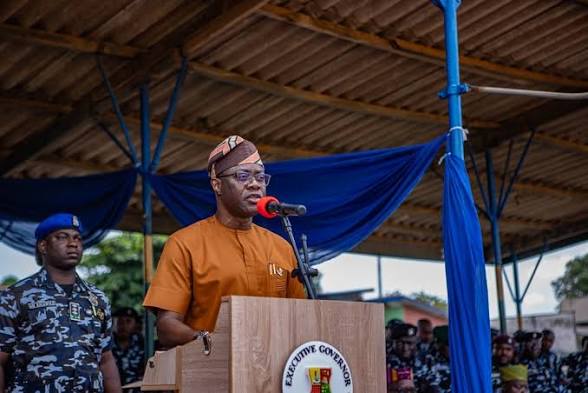
The committee will be chaired by Oluwole Oke, who represents Obokun/Oriade Federal Constituency of Osun State.
The panel was inaugurated after lawmakers adopted a motion sponsored by Salisu Yusuf and five other legislators during Thursday’s plenary session.
According to the House, the committee will investigate outstanding liabilities owed to the Federal Government, identify debtors, evaluate recovery efforts by relevant agencies, and recommend measures for recovering the funds.
Speaking on the motion, Yusuf raised concerns over Nigeria’s rising debt burden and declining revenue profile.
“As of September 30, 2025, Nigeria’s total public debt surged to N153.29 trillion, driven by increased domestic borrowing and currency depreciation,” he said.
He added that debt servicing consumed nearly 48 percent of government revenue within the first nine months of 2025, warning that the failure to recover funds owed to the government was worsening the country’s fiscal crisis.
The lawmaker noted that although successive administrations had focused heavily on borrowing and debt servicing, little attention had been given to recovering huge sums owed to the Federal Government.
“The Federal Government of Nigeria is owed huge sums of money within and outside the country, including judgment debts,” Yusuf stated.
He explained that the debts are owed by both state and non-state actors, including government agencies and institutions.
The House also referenced the Presidential Initiative on Continuous Audit, established in 2015 to improve accountability and oversight of government finances.
Lawmakers expressed concern that weak recovery mechanisms and bureaucratic bottlenecks have continued to frustrate efforts to recover public funds, despite growing pressure on Nigeria’s economy.
The Oke-led committee has been given four weeks to conduct a comprehensive investigation and submit its report for further legislative action.
The move comes amid increasing concerns over Nigeria’s debt sustainability, rising infrastructure deficits, and widening gaps between government revenue and expenditure.