The Federal Government has approved the release of ₦4bn to begin payment of allowances owed to Nigerian students studying abroad under the Bilateral Education Agreement scholarship programme.
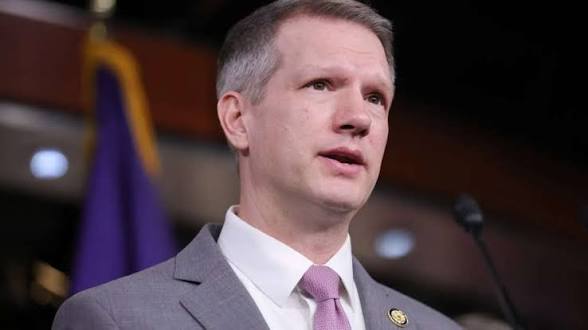
Minister of Education Tunji Alausa disclosed that the payment is the first tranche from the ₦8bn budgeted for the programme in 2026.
The development follows widespread complaints from affected students in countries including Russia, Serbia and Venezuela, who accused the government of abandoning them for over a year without stipends.
According to the minister, the Ministry of Finance has already approved the initial ₦4bn, while discussions are ongoing to release the remaining balance within weeks.
Alausa said the government remains committed to fully funding students already enrolled in the programme, despite earlier concerns about the sustainability of the scheme.
“We are working day and night to ensure they receive their allowances for 2025 and 2026,” the minister stated, while admitting that funding the foreign scholarship programme has become increasingly difficult.
Several students had recently shared emotional videos online, claiming the delay in payments pushed many into severe hardship. Some reportedly took up menial jobs to survive, while others alleged that female students had been forced into prostitution due to financial pressure.
A fifth-year Nigerian medical student in Russia said students had gone months without support and struggled to pay for feeding, accommodation, visas and academic obligations.
Students in Serbia and Venezuela also described the situation as painful and embarrassing, noting that scholars from other countries continued receiving regular support from their governments while Nigerians were left stranded.
The scholarship programme, established through agreements between Nigeria and foreign countries, previously sponsored students to study in nations such as China, Russia, Hungary, Morocco, Egypt and Serbia.
Although the Federal Government announced plans to phase out the programme in 2025 over rising costs and questions about its effectiveness, authorities assured that current beneficiaries would still be supported until completion of their studies.