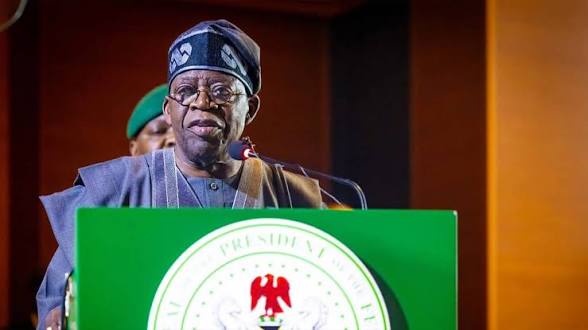
The Petroleum marketers in Nigeria have issued warnings that the recent approval of a 15 per cent ad valorem import tariff on fuel imports by President Bola Tinubu could push the price of Premium Motor Spirit (petrol) above ₦1,000 per litre. This government policy, set to take effect after a 30-day transition period ending November 21st, 2025, aims to protect local refiners by reducing cheaper fuel imports that threaten domestic refinery investments.
However, stakeholders in the petroleum sector express concerns that the tariff could exacerbate fuel price hikes, intensifying the financial burden on ordinary Nigerians. Currently, petrol prices hover around ₦920 per litre in many parts of the country.
Industry insiders, speaking anonymously, suggest that some importers may be aligning with major players like Dangote Group to collectively raise prices, leading to fears of monopolistic practices. They caution that without measures to stabilize market forces and encourage fair competition, consumers may face further hardship due to inflated fuel costs.
Hammed Fashola, National Vice-President of the Independent Petroleum Marketers Association of Nigeria (IPMAN), acknowledged the tariff’s mixed impact. While it could encourage local refining and discourage imports, it also risks enabling monopolization by dominant refineries. Fashola emphasized the need for local refiners, especially the Nigerian National Petroleum Company Limited (NNPCL), to ramp up production capacity to avoid potential fuel scarcity.On compliance with the Petroleum Industry Act (PIA), Fashola affirmed the government’s commitment to legal frameworks while underscoring the policy’s intent to sustain local refining operations, a move seen as beneficial for the national economy.Similarly, Billy Gillis-Harry, National President of the Petroleum Products Retail Outlet Owners Association of Nigeria (PETROAN), described the tariff as a “win-win situation.” He urged vigilance on product availability and affordability, noting that over-reliance on importation could eventually cause fuel shortages and skyrocket prices.
Gillis-Harry highlighted the current collaboration with Dangote and underscored the critical need for a diversified supply, including efficient contributions from private refineries, to foster competition and fuel stability.As this new tariff policy unfolds, Nigerians brace for possible adjustments in pump prices, with calls for swift government and industry action to balance protection of local refining with consumer affordability.