The Federal Government of Nigeria has firmly rejected the United States President Donald Trump’s designation of Nigeria as a “Country of Particular Concern” (CPC) over alleged persecution and mass killing of Christians in the country.
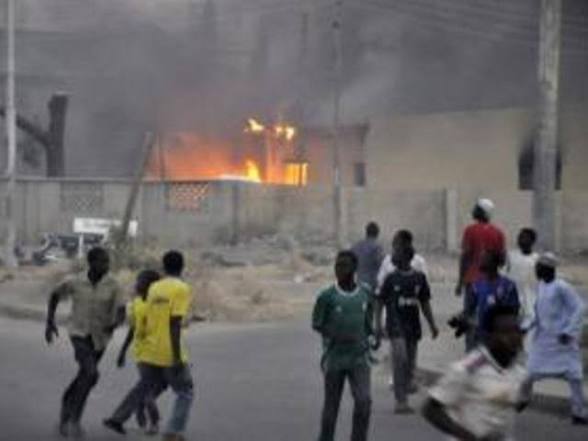
This designation announced by Trump on October 31st, 2025, signals a grave diplomatic warning and opens the door for potential economic sanctions against Nigeria. Trump cited reports of thousands of Christians being killed, attributing responsibility to radical Islamist groups. In a social media post, Trump declared, “Christianity faces an existential threat in Nigeria,” and instructed US lawmakers to urgently investigate the situation and recommend further action.
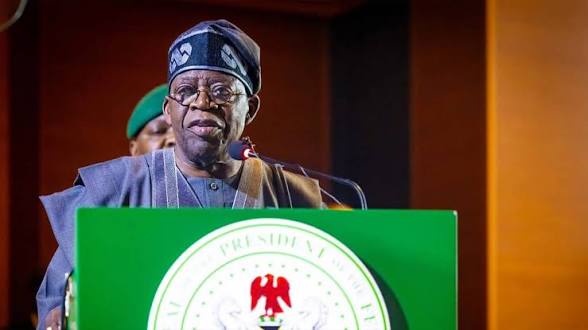
However, the Nigerian government disputes these claims as exaggerated and one-sided, emphasizing that the violence in Nigeria is complex and involves multiple communities and actors, not solely religious persecution. Authorities reject the label as misleading and harmful to Nigeria’s international image.
The designation is part of the US International Religious Freedom Act, which targets countries where severe violations of religious freedom occur. The US move has found vocal support from Republican lawmakers like Senator Ted Cruz and Congressman Riley Moore, who have consistently advocated for stronger measures against Nigeria concerning religious violence.
Experts warn that while the CPC tag is a diplomatic tool to pressure governments, its implications on bilateral relations and Nigerian economy could be significant if sanctions follow. Nigeria faces ongoing security challenges with insurgent groups like Boko Haram, local conflicts between farmers and herders, as well as political and social complexities that make simplistic religious labels problematic.
The Federal Government remains committed to addressing security and religious freedom issues through dialogue and national efforts, calling for a more balanced consideration of Nigeria’s multifaceted challenges.