The Federal Government of Nigeria has revealed certain groups who are deliberately fuel claims of a Christian genocide within the country, describing such narratives as misleading and harmful to national unity. Addressing the nation through official channels, government representatives stressed that Nigeria’s security challenges are multi-faceted, with violence largely driven by terrorism, banditry, ethnic conflicts, and criminal activities rather than a targeted religious extermination.
Minister of Information and National Orientation, Mohammed Idris, made the claim during a press conference in Abuja on Wednesday, stating that government findings show a deliberate attempt to misrepresent Nigeria’s internal security situation.
He said, “The Nigerian government has been able to see a correlation between some of the lobbyists operating, especially in the US, and the activities here.”
In a detailed statement, the government condemned individuals and organizations perpetuating the notion of an orchestrated Christian genocide, warning that this divisive rhetoric serves to exacerbate existing tensions and undermine efforts toward peace and stability. The FG pointed out that such claims disregard the fact that victims of violence in Nigeria come from diverse religious and ethnic backgrounds.
“We have seen that some of the influencers of these criminal activities have a direct relationship with lobbyists in the US, who have a direct relationship with some of these people who are shouting about this issue outside this country. Nigeria faces long-standing security challenges that have impacted Christians and Muslims alike. Any narrative suggesting that the Nigerian state is failing to take action against religious attacks is based on misinformation or faulty data, ” he said.
He continued, “The narrative of a Christian genocide is not only false but dangerously oversimplifies a very complex crisis that affects all Nigerians across faiths.”
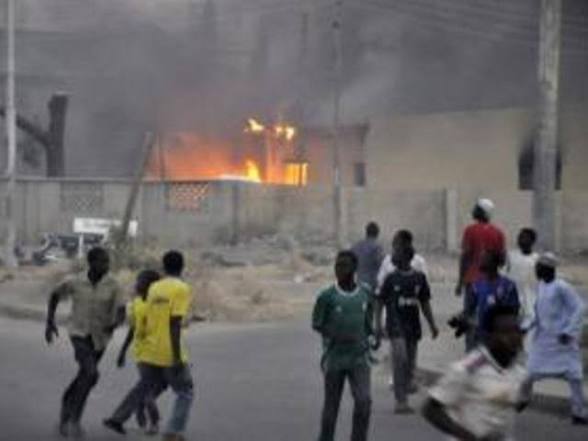
Credible security experts within the government pointed to various armed groups, including Boko Haram, bandits, and ethnic militiaas primarily responsible for violence, noting their indiscriminate attacks on churches, mosques, marketplaces, and villages.
“These groups exploit religious, ethnic, and economic fault lines to further their criminal agendas, without allegiance to any faith,” the official clarified.
The Nigerian government emphasized its commitment to protecting all citizens regardless of religion and criticized foreign and domestic actors who propagate exaggerated or unverified statistics. It was noted that these false claims have been amplified by some media platforms and political figures, further distorting Nigeria’s reality.
Furthermore, the FG refuted allegations implying governmental complicity or negligence toward the safety of Christian populations. It highlighted the example of the Nigerian First Lady, an ordained Christian pastor, as a symbol of the administration’s inclusive approach and dedication to interfaith harmony.
Security sector reforms and proactive engagement with religious leaders of all communities remain a core part of Nigeria’s strategy to mitigate violence. The government reiterated its call for unity among Nigerians and urged the international community to support collaborative peacebuilding efforts rather than spreading narratives that could inflame religious discord.
As the nation continues to grapple with complex security issues, the FG’s position is clear: Nigeria’s crisis transcends religion, and it is inaccurate and dangerous to frame it merely as a Christian genocide.