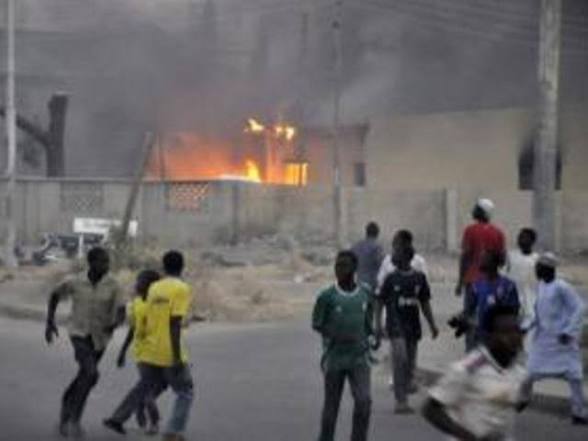
The United Kingdom has issued a new travel advisory warning its citizens against visiting several parts of Nigeria, citing worsening insecurity, widespread kidnappings, terrorism, and violent crime across the country.
In its latest Foreign Travel Advice published on the UK government website (GOV.UK), the Foreign, Commonwealth & Development Office (FCDO) said insecurity “is increasing across Nigeria,” urging British nationals to exercise extreme caution, review their safety measures, and put in place contingency plans.
According to the advisory, the UK government now advises against all travel to six northern states — Borno, Yobe, Adamawa, Gombe, Katsina, and Zamfara — due to “a high and increasing threat from Boko Haram and Islamic State West Africa Province (ISWAP).” It also warned that humanitarian workers and facilities in these regions could be directly targeted.
The FCDO further advised against all but essential travel to Bauchi, Kaduna, Kano, Kebbi, Jigawa, Sokoto, Niger, Kogi, Plateau, and Taraba States, as well as the outer suburbs of Abuja, where violent crime, often involving firearms, has reportedly spread from the outskirts into central and wealthier districts of the city. British staff in Nigeria have been instructed to restrict movement to central Abuja only.
The UK advisory also drew attention to ongoing military operations in the North-East, particularly in Borno, Adamawa, and Yobe States, warning of potential retaliatory attacks and noting that deteriorating security in Maiduguri could make evacuation difficult.
In the Niger Delta region, the FCDO advised against travel to riverine areas in Delta, Bayelsa, Rivers, Akwa Ibom, and Cross River States, citing militant activity, frequent kidnappings, and attacks on oil and gas facilities.
The South-East was also listed as a security concern due to frequent clashes between separatist groups and security forces. While foreigners are not typically targeted, the advisory cautioned that they could be caught in crossfire.
Even the South-West, including Lagos, was not exempt. The FCDO described armed robbery, carjacking, mugging, and kidnapping as common, especially in urban areas, warning travelers to avoid night movements. Although large-scale terrorist attacks remain rare, the advisory noted that the Islamic State West Africa group claimed responsibility for two attacks in 2022.
The British government concluded by urging its citizens in Nigeria to stay alert, monitor local media, and follow security advice issued by authorities.