The United States government has proposed new sanctions targeting certain Nigerian officials, judges, traditional rulers, and Islamic cleric Sheikh Ahmad Gumi over alleged involvement in promoting or tolerating blasphemy laws and religiously motivated violence across northern Nigeria.
According to a draft legislation currently before the U.S. Congress, the measure seeks to hold accountable Nigerian public officials accused of “promoting, enacting, or maintaining blasphemy laws” or “tolerating violence by non-state actors invoking religious justification.”
If enacted, the law would empower the U.S. Secretary of State to, within 90 days, submit a report listing Nigerian officials subject to visa bans, asset freezes, and other financial restrictions under Executive Order 13818 — a key instrument of the Global Magnitsky Human Rights Accountability Act.
The proposed sanctions cover activities within the past decade and will continue to apply on an annual basis, ensuring ongoing scrutiny of both past and present human rights violations.
The bill identifies twelve northern states — Zamfara, Kano, Sokoto, Katsina, Bauchi, Borno, Jigawa, Kebbi, Yobe, Kaduna, Niger, and Gombe — where the implementation of expanded Sharia penal codes since 1999 has allegedly encouraged discrimination and impunity in cases of blasphemy and religious intolerance.
The legislation specifically targets judges, magistrates, prison officials, and other law enforcement authorities who have prosecuted or imprisoned individuals under blasphemy statutes. It further condemns the enforcement of such laws as violations of freedom of religion and expression.
Since the reintroduction of Sharia criminal codes in northern Nigeria in 1999, the country has witnessed recurring blasphemy-related prosecutions and mob killings. High-profile cases include those of Mubarak Bala, Yahaya Sharif, Sheikh Abduljabbar Kabara, Deborah Samuel, Usman Buda, Roda Jatau, and others — several of whom have either been executed by mobs or remain in detention pending appeal.
Rights groups such as Amnesty International and Humanists International have persistently condemned these incidents, urging Nigerian authorities to abolish death sentences for blasphemy and uphold constitutional protections for religious freedom and free speech.
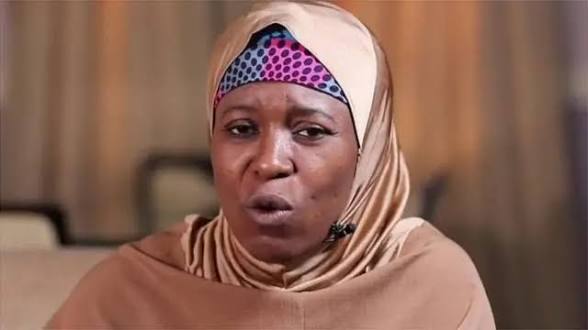
Reacting to the U.S. legislative development, Sheikh Ahmad Gumi, who was reportedly named among those under potential sanction, said he was unaware of any formal notice but would not be surprised if included.
“I haven’t seen the list, and no one has officially communicated anything to me. But it’s not surprising — anyone who opposes hostility towards America is often misunderstood. May God protect us.”
In a separate Facebook live broadcast from the Haifa Mosque in Sofia, Turkey, the Islamic scholar dismissed the sanctions threat as a Western “distraction,” calling instead for peace and mutual respect among Nigerians.
“Let us live in peace. Christians and Muslims must coexist for our nation to progress. It is not by killing or insulting others that we show our faith,” he said.
As of press time, none of the twelve governors mentioned in the proposed legislation had issued an official response. Multiple attempts to contact their spokespersons were unsuccessful.
The U.S. bill still awaits full congressional approval and presidential assent. If passed, it would mark the first instance of Washington formally imposing sanctions on Nigerian officials over violations related to blasphemy laws and religious freedom