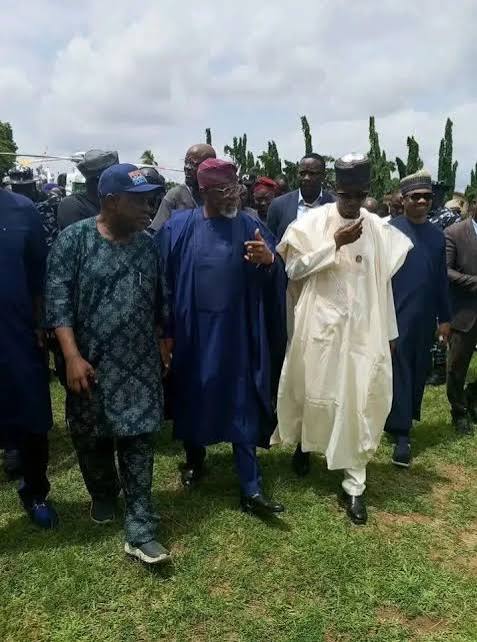
A high-level Nigerian delegation led by National Security Adviser Mallam Nuhu Ribadu engaged in candid talks with U.S. Congressman Riley M. Moore on Wednesday in Washington, D.C., focusing on the deepening security crisis marked by escalating terrorist attacks and the alleged persecution of Christians in Nigeria.
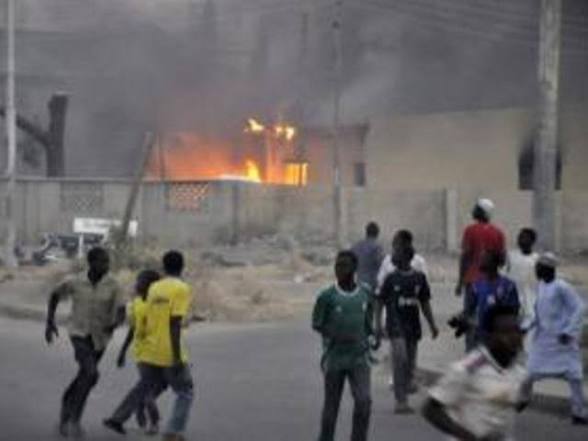
The discussions provided a “frank, honest, and productive” platform for both parties to exchange detailed concerns about Nigeria’s worsening security situation. Congressman Moore emphasized the urgent need to tackle violence perpetrated by terror groups such as Boko Haram, the Islamic State West Africa Province (ISWAP), and armed Fulani militants, especially in Nigeria’s Northeast and Middle Belt regions.
“The United States stands ready to work cooperatively with Nigerians to help combat these terrorist groups,” Moore said. He underscored that the U.S. government expects to see “tangible steps to ensure that Christians are not subject to violence, persecution, displacement, and death simply for believing in our Lord and Savior Jesus Christ.”
Moore candidly described the situation as “horrific violence and persecution Christians face,” adding that the Trump administration, which he represents in this effort, remains firm in its resolve against religious persecution globally.“I made it crystal clear that the United States must see tangible steps to end this violence,” Moore stressed, signaling that the U.S. would closely monitor Nigerian government actions on the ground. He also highlighted the readiness of the U.S. to assist in disrupting and destroying terrorist networks responsible for widespread killings, abductions, and displacement.
The Nigerian officials, including top security figures such as the Inspector-General of Police, Army Chief, and Minister of Foreign Affairs, shared the challenges they face in counterterrorism efforts and protecting vulnerable communities across Nigeria during the engagement.
Moore lamented the international community’s apparent indifference to the ongoing genocide allegations, stating, “President Trump does not make idle threats.” He hinted at the possibility of increased U.S. involvement, including military action, if the violence persists.
The congressman, known for leading investigations into the persecution of Christians in Nigeria, criticized the Nigerian government for failing to justify the extensive military aid it receives from Washington.As of the time of this report, no official statement had been issued from the Nigerian delegation post-meeting.
This meeting marks a significant move in U.S.-Nigeria cooperation aimed at addressing one of Nigeria’s gravest human security challenges and underscores the pressure on Abuja to deliver concrete results in ending the bloodshed and protecting religious minorities.