A survivor of the June 2025 Yelwata attack in Benue State has provided a detailed account of the tragedy before the United States House Subcommittee on Africa, urging international attention to the prolonged cycle of violence in Nigeria’s Middle Belt.
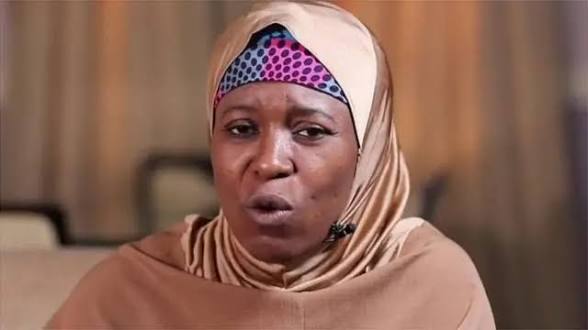
Appearing virtually from Benue State, Mrs. Msurshima Apeh recounted the circumstances surrounding the night armed men invaded a displacement camp housing hundreds of families. Her testimony formed part of the congressional review of former U.S. President Donald Trump’s decision to return Nigeria to the Country of Particular Concern (CPC) list on allegations of religiously motivated violence.
According to Apeh, the attackers breached the camp late in the evening, leaving residents unable to escape as chaos spread across the facility. She explained that only quick, instinctive action enabled her to survive, after which she fled into the surrounding bush until emergency workers found her and moved her to safety.
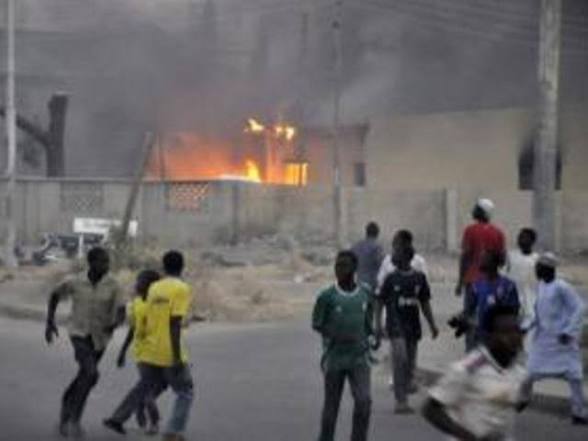
The June attack in Yelwata, located in Guma Local Government Area, resulted in significant casualties. While official government figures placed the death toll at over 100, civil society organisations reported numbers as high as 200, with more than 3,000 residents displaced. Many survivors were later relocated to temporary camps in neighbouring Nasarawa State.
The incident triggered nationwide outrage and prompted President Bola Ahmed Tinubu to visit affected victims in Makurdi, where he condemned the violence and directed security agencies to intensify operations in the region. The Nigeria Police Force subsequently announced the arrest of 26 suspects linked to the attack.
Humanitarian agencies later warned that displaced families faced acute shortages of food, medical care, and shelter due to the scale of the displacement.
Political and International Implications
Apeh’s congressional testimony coincided with intensified debate over Trump’s reinstatement of Nigeria on the CPC list. Trump had cited alleged systematic persecution of Christians and indicated that Washington was reviewing possible military options.
The Nigerian government, however, strongly rejected the allegations, maintaining that the country protects religious freedoms and does not discriminate on religious grounds. Officials attributed the Yelwata attack to armed criminal groups connected to the long-standing farmer–herder crisis that has affected multiple states across the Middle Belt.
Continuing Tensions
Civil rights organisations, local leaders, and security analysts argue that the Yelwata attack underscores persistent weaknesses in early-warning systems, law-enforcement capacity, and community protection mechanisms.
Despite high-profile visits and arrests, leaders in affected communities report that displaced families remain vulnerable as they await long-term solutions to the crisis