The Nigerian government has indicated that President Bola Tinubu’s planned visit to the United States remains on hold amid escalating diplomatic tensions following the redesignation of Nigeria as a Country of Particular Concern (CPC) by former U.S. President Donald Trump.
In a statement, the Minister of Information and National Orientation, Mohammed Idris, clarified that the visit would occur only “when the situation is right,” emphasizing that the president is not avoiding Washington. “We believe that he will go once the situation is right for him to go,” Idris explained, noting that Tinubu has previously traveled to the U.S. and attended the UN shortly after assuming office.
The CPC designation, which highlights alleged violations of religious freedom, has become a point of contention between Abuja and Washington. Trump’s public statements accused Nigeria of permitting “mass slaughter of Christians” and suggested possible punitive measures, including the suspension of U.S. aid and potential military intervention. The Nigerian government has formally rejected these allegations, asserting that its constitution guarantees the protection of all religious groups.
Legal and diplomatic experts observe that the CPC label functions as a form of international censure with serious implications, potentially impacting aid agreements, trade, and bilateral cooperation. Nigeria’s response has included dispatching a high-level delegation to Washington, led by National Security Adviser Nuhu Ribadu, tasked with engaging in intensive discussions to clarify Nigeria’s legal and constitutional position on religious freedom and human security.
Minister Idris stressed that these efforts are part of broader diplomatic “negotiation and advocacy” to correct misconceptions and preserve bilateral relations. “This is part of diplomatic efforts to engage the US government and strengthen relations,” he stated.
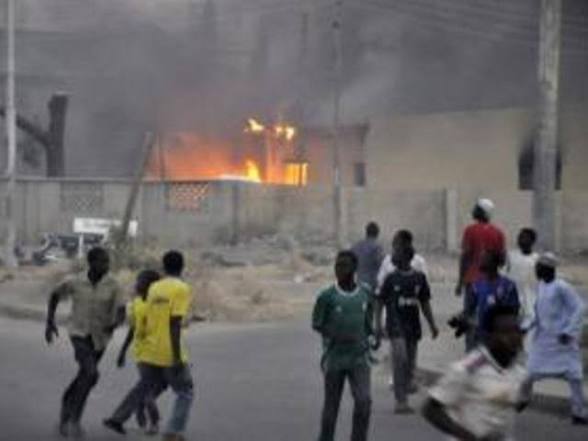
The tensions arrive at a time when Nigeria continues to grapple with severe internal security challenges, including terrorism, banditry, and mass kidnappings, which have intensified scrutiny from international stakeholders. Recent abductions in Kebbi and Niger States have amplified the urgency of addressing these issues while maintaining Nigeria’s sovereign legal prerogatives.
Despite the international spotlight, the Tinubu administration insists that significant measures are being implemented to curb insecurity and protect all citizens. Analysts note that the current standoff illustrates the intersection of international law, national sovereignty, and diplomatic negotiation—where every public statement functions like a legal brief in the court of global opinion.
For now, the Nigerian government appears focused on balancing domestic security priorities with strategic diplomatic engagement, seeking to manage global perceptions while upholding the rule of law at home