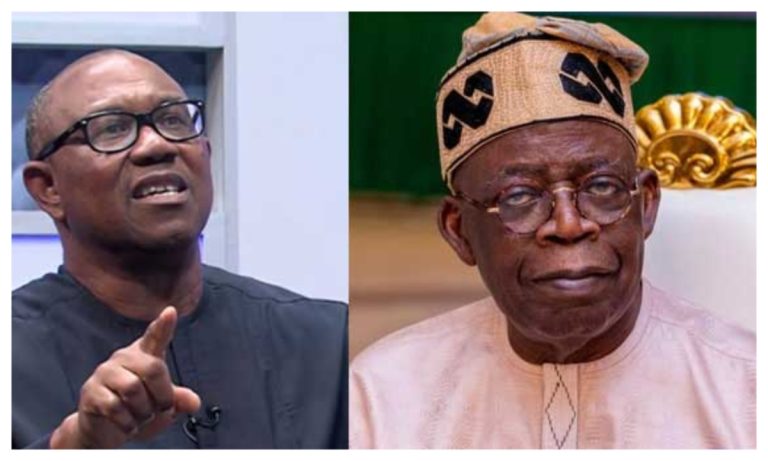
In the aftermath of the Federal High Court’s sentencing of Nnamdi Kanu, leader of the proscribed Indigenous People of Biafra (IPOB), to life imprisonment, prominent opposition leader Peter Obi has sharply criticized the government’s approach and called for national reconciliation.
Obi, who is a 2027 presidential hopeful, described the decision as “unfortunate” and reiterated his long-standing opposition to both Kanu’s arrest and the strategy adopted by authorities in addressing separatist concerns. Speaking through a statement on his verified X (formerly Twitter) account, Obi declared: “I have always maintained that Mazi Kanu should never have been arrested. His arrest, detention, and now conviction represent a failure of leadership and a misunderstanding of the issues at stake. For years, I have consistently argued that dialogue, constructive engagement, and inclusive governance offer the path to lasting peace.”
Emphasizing the need for empathy and negotiation, the Labour Party leader stated, “The concerns Kanu raised were not unheard of. The issues for which he demanded solutions were not insoluble. It only required wisdom, empathy, and a willingness to listen. In any functional society, such grievances are met with dialogue and reforms aimed at strengthening unity.”
Obi also likened the government’s continued use of force over dialogue to “a man trapped in a hole, but who, instead of looking for a way out, keeps digging deeper.” He warned that this approach “worsens not only the government’s predicament but also the nation’s collective condition.”
Concluding his remarks, Obi called on the presidency, the council of state, and credible elder statesmen to champion cohesion and inclusivity by searching for “a lasting solution” to the agitation and discord sparked by the quest for a Biafran nation.
Meanwhile, Nnamdi Kanu, reacting to the judgment by Justice James Omotosho, dismissed the verdicts as “rubbish,” alleging that the decision was founded on sentiment rather than law. The sentencing follows the court’s conviction of Kanu on all seven charges brought by the Nigerian government, including terrorism linked to his pro-Biafra actions and statements. The court also prohibited Kanu from having access to mobile or broadcast devices except under official supervision.