A 15-year-old resident of the Oworonshoki waterfront community, Esther Eniefiok, has died amid renewed demolition exercises carried out by the Lagos State Government — a development that has intensified public concern over the legality, proportionality, and humanitarian impact of ongoing forced evictions in the area.
Her death, which residents attribute to severe emotional distress caused by the violent nature of the operations, marks the second fatality documented within 24 hours, following the earlier death of an elderly man known locally as Baba Aro.
A Community Under Pressure
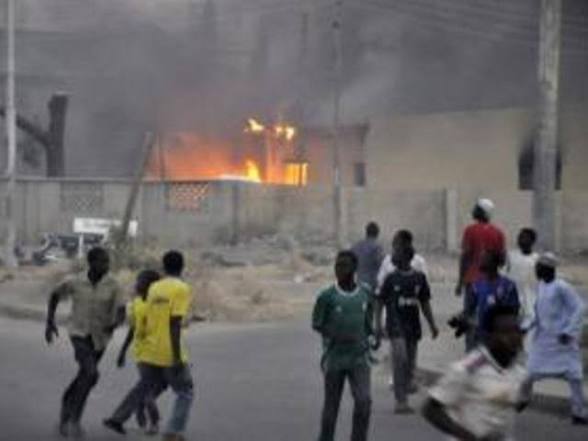
The demolitions resumed Thursday morning at the Precious Seed community, with residents describing the operation as the most aggressive in recent years. Bulldozers, escorted by armed personnel and other unidentified actors, moved through residential clusters, displacing families and destroying property.
Multiple witnesses told LegalObserver News that residents received no prior notice, no relocation support, and no access to emergency assistance, despite widespread displacement.
Esther’s brother, speaking through emotion, said the young girl had struggled severely since the first wave of the operation began on November 23. As the destruction moved closer to their home, family members say her emotional condition deteriorated further, ultimately resulting in her collapse early Thursday.
Legal Questions Over Evictions and Use of Force
The latest episodes revive long-standing debates over the legality of Lagos State’s demolition strategy, particularly in waterfront communities. Rights advocates have repeatedly pointed to possible violations of:
Constitutional protections of human dignity and property
Court injunctions restraining forced evictions
National and international human-rights standards on adequate housing
The requirement of notice, consultation, and humane relocation procedures
Several civil society organisations have argued that the repeated demolitions, sometimes accompanied by alleged arson and intimidation, amount to forced evictions, which are prohibited under Nigerian law except in strict compliance with due process.
Fresh Allegations of Unlawful Arrests
In a related development, two women — Babsolowo Aramide and Babsolowo Oluwakemi — were arrested on Wednesday after their family home was destroyed. Relatives claim the women were accused of “using abusive language” during the chaos and were subsequently held for several hours before being transferred to the Lagos Task Force base in Oshodi.
Family members told LegalObserver News that the detainees have been denied access to food, water, and family visits. They also allege threats of rushed arraignment before a mobile court.
One family source expressed concern over the speed and manner of the arrests:
> “Our home was demolished without warning. We lost everything. Instead of support, they returned this morning to arrest our family members.”
Growing Humanitarian and Legal Fallout
Residents say several houses were also set ablaze, with one elderly woman reportedly trapped inside until she was rescued by neighbours. Many affected families remain without shelter, and sources say some residents are sleeping outdoors or in partially demolished structures.
Human rights observers warn that the situation now constitutes a humanitarian emergency requiring immediate governmental intervention, including:
Suspension of demolition activities
Emergency relief for displaced families
Independent investigation into alleged arson, excessive force, and unlawful arrests
Compliance with existing court orders affecting Oworonshoki and similar communities
A Long-Running Controversy
Oworonshoki has been subjected to multiple demolition cycles since 2016. Community groups, legal advocates, and international rights organisations have documented patterns of:
Demolitions without due process
Destruction of businesses and livelihood structures
Repeated disregard for judicial directives
Use of security operatives in non-humanitarian eviction environments
The latest fatalities have amplified calls for accountability and a review of state policies toward waterfront communities.
As of press time, the Lagos State Government has not issued an official statement addressing the reported deaths or the allegations of unlawful conduct by operatives.