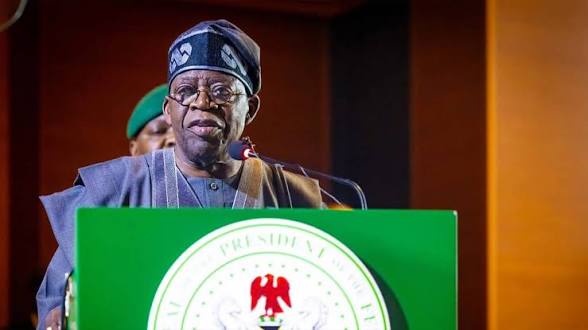
The recent nomination of serving lawmaker, Senator Jimoh Ibrahim, as a non-career ambassador by President Bola Ahmed Tinubu has reopened a longstanding constitutional debate within Nigeria’s political and legal circles.
While some critics argue that a sitting senator should not be eligible for ambassadorial appointment without first resigning, the 1999 Constitution paints a different picture. Section 68(1)(d) clearly lists the offices that automatically trigger the vacation of a National Assembly seat – Ministers, Commissioners, Special Advisers, and other executive positions. What is striking is that “Ambassador” does not appear on that list. The omission is significant and deliberate.
Senator Ibrahim’s nomination therefore reinforces an existing legal reality: the Constitution does not bar a sitting senator from being appointed as a non-career ambassador, nor does it require pre-emptive resignation prior to nomination or confirmation. The President may nominate, and the Senate may screen or reject – all within the bounds of the law.
But beyond the legality, the conversation extends into the realm of governance practicality. An ambassador is expected to reside outside the country, attend diplomatic engagements full-time, and represent Nigeria’s interests abroad. These duties are fundamentally incompatible with the daily responsibilities of a legislator of lawmaking, oversight, committee assignments, and constituency representation.
This means that while the Constitution allows the nomination, the practical demands of diplomacy inevitably make it impossible for any senator to combine both roles effectively. Once confirmed and deployed, a senator-turned-ambassador would naturally have to relinquish active legislative responsibilities, whether formally through resignation or procedurally through Senate action.
Senator Jimoh Ibrahim’s situation is therefore a case study in the balance between constitutional flexibility and governance realities. It demonstrates that while Nigeria’s laws provide room for political manoeuvre, the operational demands of public office ultimately dictate the path officeholders must follow.
His nomination not only affirms the President’s constitutional prerogative but also offers the nation another opportunity to examine how best to align legal provisions with the practical expectations of public service.
Omo’ba Kunle Ariyo writes from Isinkan