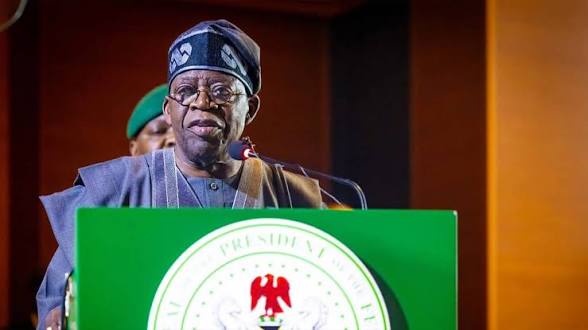
Senator Adams Oshiomhole, representing Edo North, has urgently called for enhanced National Assembly oversight of fintech companies following a personal cyber fraud incident that exposed vulnerabilities in platforms like OPay and Moniepoint. Speaking during Thursday’s Senate plenary debate on a bill to amend the Banks and Other Financial Institutions Act (BOFIA), the former Edo State governor shared his ordeal to underscore the need for stricter rules on non-traditional financial operators. The legislation, sponsored by Senator Tokunbo Abiru (Lagos East), passed its second reading after lawmakers emphasized closing regulatory gaps in Nigeria’s rapidly expanding digital finance sector.
Oshiomhole detailed how hackers targeted his accounts exclusively through fintech channels, bypassing established banks. “When they hacked into my account, I found that all the institutions used were OPAY and Moneypoint; none of the registered banks were used,” he stated, highlighting the platforms’ role in facilitating illicit transactions. He criticized these firms for lacking physical infrastructure and accountability, noting, “They don’t have a branch in Abuja. They don’t employ labour. They bear no social responsibility.”
Unlike traditional banks such as First Bank, Access Bank, or Zenith Bank—whose directors he knows—Oshiomhole pointed out the opacity surrounding fintech leadership: “I don’t know the directors of OPAY. I don’t know the directors of Moneypoint.”
The senator warned of broader dangers if these institutions fail, arguing that the government would bear the cost of compensating victims. “These are visible players in our economy, playing such an important role. And the day they go under, the political authority will be left with the burden of providing for Nigerians who have been duped,” Oshiomhole cautioned.
He stressed the superiority of National Assembly laws over Central Bank of Nigeria (CBN) regulations for enforceability, urging colleagues to scrutinize the bill closely: “I would encourage you to do a more detailed line inquiry to ensure that all the loopholes are captured, including the owners of these banks.”
Abiru’s bill aims to empower the CBN to designate, register, and supervise systemically important institutions, including fintechs whose collapse could threaten financial stability. Oshiomhole advocated blocking “all possible loopholes,” particularly as digital platforms expand without matching traditional banks’ standards for transparency, local employment, and consumer protection.
This push aligns with global practices to modernize oversight amid rising cyber threats in Nigeria’s fintech boom.