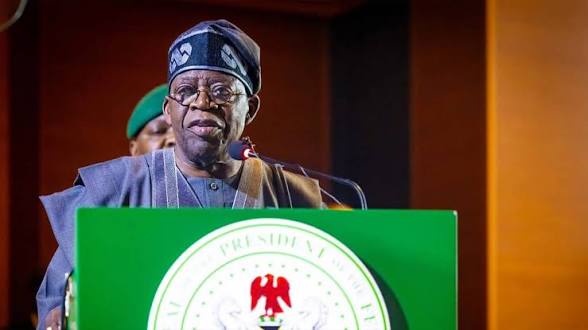
The Nigerian Army has imposed an indefinite suspension on all statutory and voluntary retirements for specific categories of officers, a move triggered by President Bola Tinubu’s nationwide security emergency declaration on November 26, 2025, aimed at bolstering manpower amid escalating kidnappings and insurgencies.
An internal memo dated December 3, 2025, signed by Major General E. I. Okoro on behalf of the Chief of Army Staff, outlined the directive, citing the Harmonised Terms and Conditions of Service for Officers (HTACOS) 2024. The memo stated: “The President and Commander-in-Chief declared a nationwide security emergency on November 26, mandating the expansion of the AFN and other security agencies. In line with this, and to rapidly expand manpower, it has become expedient to temporarily suspend all statutory and voluntary retirements from the Nigerian Army with immediate effect.” It referenced provisions allowing service extensions under Paragraph 3.10(e) in the interest of the service, despite standard retirement triggers like age ceilings, 35 years of service, or repeated promotion failures.
The suspension targets officers who failed promotion examinations three times, were passed over for promotion three times, reached age ceilings for their ranks, failed conversion boards three times, or completed 35 years of service.
Affected personnel can opt out via normal retirement procedures or apply for extensions, though extensions bar career progression: “Officers desirous of extension should note that upon extension, they are not eligible for career progression, including promotion, career courses, NA sponsorship, self-sponsored courses, secondment, or extra-regimental appointments,” the memo specified.
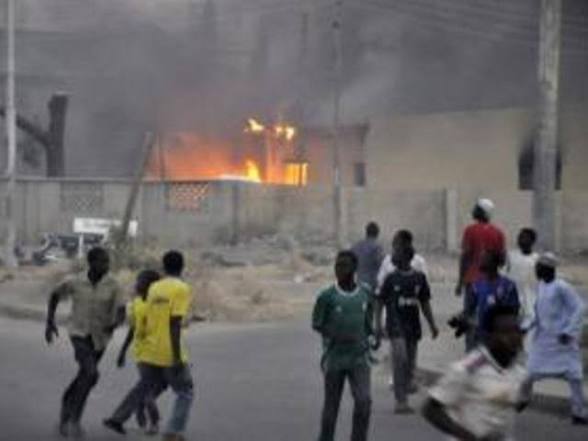
Commanders received instructions to disseminate the policy, manage troop morale, and prepare for review as security stabilizes, responding to over 600 mass abductions in November alone, including 300 students in Niger State, 38 worshippers in Kwara, and 25 in Kebbi.
Military veterans overwhelmingly backed the policy. Secretary-General of the Military Veterans Federation of Nigeria, Dr. Awwal Abdullahi, affirmed: “I strongly support it. Even aside from insecurity, these officers are trained with taxpayer money, but they are being retired prematurely because of appointments.”
Retired Brigadier General Peter Aro described it as a “reasonable short-term emergency response,” adding: “Given the scale of insecurity and the shortage of experienced personnel, retaining seasoned officers and soldiers will help stabilise command, preserve operational experience, and prevent leadership gaps. Since officers must indicate voluntary interest, that part of the policy is commendable.”
Brigadier General Bashir Adewinbi (retd.) echoed support, stating: “This is a well-organised system. If there is any need to amend the terms and conditions of service, I’m sure the leadership will do so,” while dismissing hierarchy concerns under junior commanders.
Aro urged parallel recruitment drives, welfare enhancements, and ending dichotomies between regular and short-service officers.