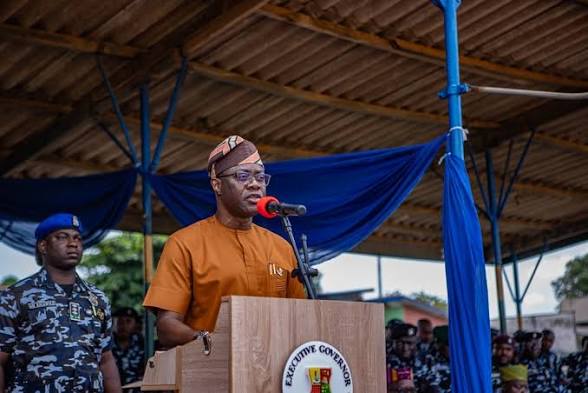
Minister of Works David Umahi has called on Igbo people worldwide to abandon calls for a separate Biafran nation, asserting that President Bola Tinubu’s administration has delivered unprecedented inclusion, key appointments, and infrastructure development to the South-East region.
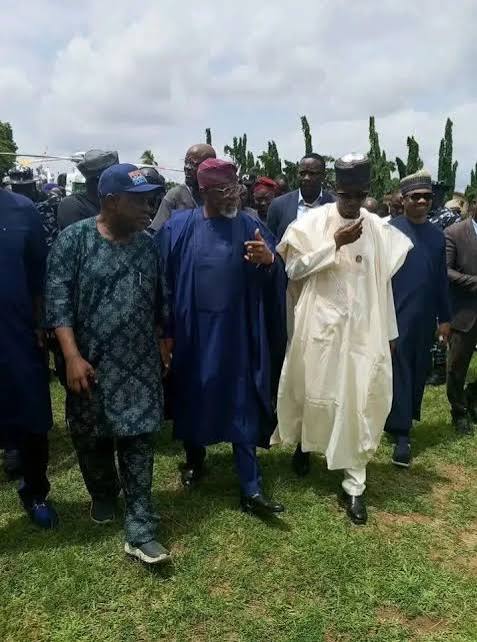
Umahi made these remarks late Saturday during an inspection tour of ongoing mega projects along the Enugu–Anambra Road, where he engaged stakeholders, contractors, and community leaders. He emphasized that historical drivers of separatism—neglect, exclusion, and underrepresentation at the federal level—have been decisively addressed under Tinubu’s leadership.
Umahi argued that true integration fulfills the aspirations once pursued through agitation. “When a people are fully integrated, respected and empowered within the structure of the nation, the dream they once chased through agitation has already been achieved through cooperation,” he stated.
He detailed how the narrative has shifted dramatically: “The push for Biafran secession over the years was borne out of neglect, exclusion and underrepresentation, but today the narrative has changed dramatically under President Bola Tinubu. The President has deliberately opened the doors of national development to the South-East. Appointments, policy inputs and infrastructure priorities now reflect true federal balance.”
The minister highlighted the South-East’s “full quota” in national appointments, pointing to his own role as Minister of Works and other strategic Igbo positions across sectors. “Every sector now bears visible Igbo footprints. The emergence of Igbo sons and daughters in strategic positions is a testament to this inclusion,” Umahi added.
Major projects are now transforming all five South-East states, including roads previously deemed unattainable, Umahi noted. These gains, he said, explain the alignment of governors like Enugu’s Peter Mbah with the APC-led federal government.
Umahi reframed Biafra’s essence: “Biafra was never about breaking Nigeria; it was about being counted in Nigeria.” He concluded powerfully: “Through inclusion, equity and concrete development, Ndigbo are no longer spectators in the Nigerian project; they are co-authors of its future. When justice finds a people, agitation loses its voice.”
The minister urged South-East support for Tinubu, citing his “rare commitment” via massive infrastructure investments. He recalled his September declaration during an Enugu–Benue highway inspection at Ninth Mile Corner, where he said the administration had “remembered the South-East” and merited strong backing.