United States President Donald Trump has announced a new round of travel restrictions affecting Nigeria and several other countries, citing national security concerns and visa overstay rates.
In a statement released by the White House on Tuesday, Trump said he signed a proclamation aimed at “expanding and strengthening entry restrictions on nationals from countries with demonstrated, persistent, and severe deficiencies in screening, vetting, and information-sharing.”
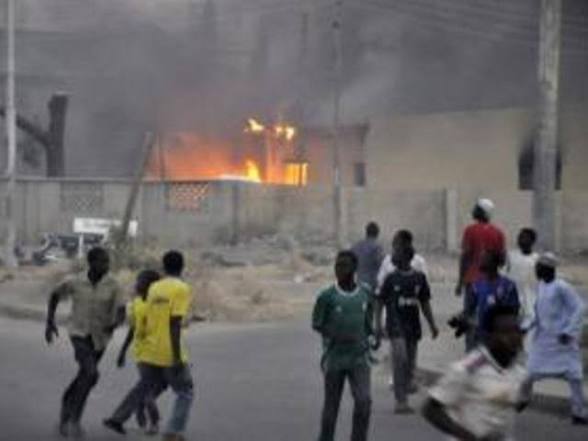
Nigeria was specifically mentioned in the proclamation, with U.S. authorities arguing that ongoing security challenges in parts of the country make effective screening of travellers difficult. The White House pointed to the activities of extremist groups such as Boko Haram and the Islamic State, saying their presence complicates vetting processes.
The U.S. government also referenced visa compliance data to justify the decision. According to the statement, Nigeria recorded a 5.56 per cent overstay rate for B-1/B-2 visas issued for business and tourism, while overstay rates for F, M, and J visas—commonly issued to students and exchange visitors—stood at 11.90 per cent.
The latest move reflects Trump’s renewed hardline stance on immigration, similar to policies introduced during his previous administration, many of which attracted global criticism and legal challenges.
Other countries affected by the new travel restrictions include Angola, Antigua and Barbuda, Benin, Côte d’Ivoire, Dominica, Gabon, The Gambia, Malawi, Mauritania, Senegal, Tanzania, Tonga, Zambia, and Zimbabwe.
As of the time of the announcement, Nigerian authorities had not issued an official response. The decision is expected to impact Nigerian travellers, students, and businesspeople seeking entry into the United States.