The United States’ (US) Ambassador to Nigeria, Richard Mills Jr., has publicly addressed growing concerns over recent U.S. visa restrictions affecting Nigerians, underscoring that the policies are rooted in broader U.S. security protocols rather than a punitive stance against Nigeria or its citizens.
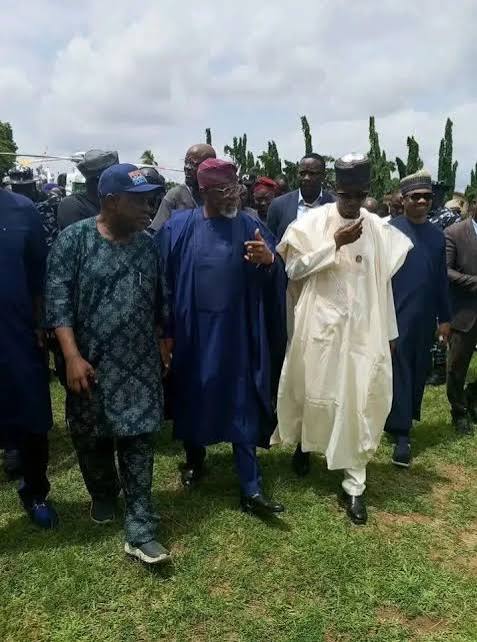
He said it during press briefing in Abuja on Sunday, during the visit of a U.S. Congressional Delegation (CODEL), Ambassador Mills explained that a presidential proclamation, set to take effect January 1, 2026, includes targeted visa reviews and restrictions on specific categories of applicants as part of efforts to tighten border security and enhance vetting procedures.
“The focus of the visa review is on ensuring proper vetting and credible information in the visa process, not on penalising Nigerians,” Mills told journalists, stressing that the measures are intended to strengthen the integrity of the U.S. immigration system rather than to single out any nationality.
He reiterated that the proclamation clearly identifies the visa categories that may be affected and emphasised that certain exemptions would apply. Mills specifically noted that holders of official and diplomatic passports, as well as individuals travelling for approved religious work, would not be subject to the restrictions.
To help mitigate confusion and misinformation, the ambassador urged Nigerian visa applicants and the broader public to consult the U.S. Embassy’s official website for detailed information on the proclamation, the visa categories affected, and the exemptions available. He also encouraged those with specific concerns to use the designated communication channels provided by the embassy.
Also addressing the briefing, Representative Bill Huizenga, leader of the U.S. Congressional Delegation, reinforced that periodic visa reviews and adjustments are routine tools used by governments worldwide to encourage accurate compliance and cooperation on immigration and security issues. He described the measures as focused on systems and processes rather than on penalising people from any specific country.
The remarks come amid broader context around U.S. immigration policy. The Trump administration has been expanding travel restrictions and visa screening measures globally, citing national security concerns and challenges in vetting certain categories of travellers. In recent days, the U.S. announced the addition of several countries to travel restriction lists and adjustments to visa processes in multiple regions, developments that have brought increased scrutiny of how these policies impact diplomatic relationships, including with African partners such as Nigeria.
Despite the diplomatic clarification, many Nigerians have expressed anxiety and frustration over the practical effects of the visa changes, especially after earlier announcements restricting non-immigrant visa validity and imposing single-entry limits on Nigerian applicants. Engagements between Nigerian government officials and U.S. representatives continue as both sides navigate diplomatic channels to address concerns and maintain strong bilateral ties.