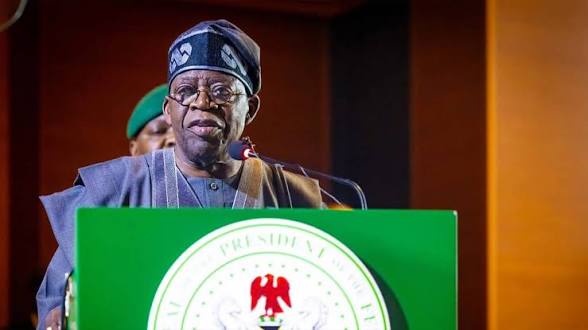
The Senate on Tuesday fast-tracked President Bola Ahmed Tinubu’s 2026 Appropriation Bill, completing its second reading in just three legislative days amid an atmosphere of unanimity and cooperation rarely seen in recent budget debates.
From the outset of plenary, lawmakers adopted a largely supportive tone, offering praise for the scale, priorities and structure of the spending plan. There was no visible opposition, prolonged debate or procedural delay, reinforcing the impression that broad agreement between the executive and legislature had been reached ahead of formal consideration.
The budget, presented to a joint session of the National Assembly on Friday, December 19, cleared second reading by Tuesday, December 23—an unusually rapid turnaround for a proposal of its size and complexity. The swift passage appeared driven by a combination of political alignment and the desire to conclude legislative business before the Christmas recess, leaving limited room for detailed scrutiny at plenary.
Leading the debate, Senate Leader Opeyemi Bamidele described the proposal as a “budget of consolidation,” aimed at stabilising the economy while deepening ongoing reforms. He outlined key allocations, including ₦4.097 trillion for statutory transfers, ₦15.909 trillion for debt servicing, ₦15.252 trillion for recurrent expenditure, and ₦23.214 trillion for capital projects. According to him, the heavy capital component reflects a deliberate push to boost growth through investments in infrastructure, power, transport, agriculture, housing and the digital economy.
Senators across party lines echoed this framing. Adamu Aliero hailed the capital spending as unprecedented, expressing optimism that disciplined implementation would transform national infrastructure. Mohammed Sani Musa underscored the importance of meeting debt obligations to protect economic stability and investor confidence, while highlighting road construction as vital to productivity.
A few lawmakers introduced cautionary notes. Adams Oshiomhole emphasised job creation and called for strong oversight to ensure infrastructure spending translates into real employment. He also urged transparency and efficiency in security-related expenditures. Former Senate President Ahmed Lawan praised the budget as bold and historic but warned that election-season politics and delayed fund releases could undermine implementation. He also called for stronger funding for the newly created Ministry of Livestock Development, citing its economic potential.
With most senators agreeing that detailed examination would occur at the committee stage, the bill passed second reading by voice vote without amendment. The Senate then adjourned until January 27, 2026, leaving in-depth scrutiny to the Appropriations Committee and relevant sectoral committees.
While supporters view the rapid passage as a sign of institutional trust and harmony, critics may question whether speed came at the expense of transparency. Ultimately, the effectiveness of the 2026 budget will hinge on implementation and the rigour of legislative oversight in the months ahead.