Residents of at least 95 communities in Takum Local Government Area have now urgently called on the Federal and Taraba State governments to intervene as attacks by suspected armed men intensify, forcing mass displacement and widespread destruction.
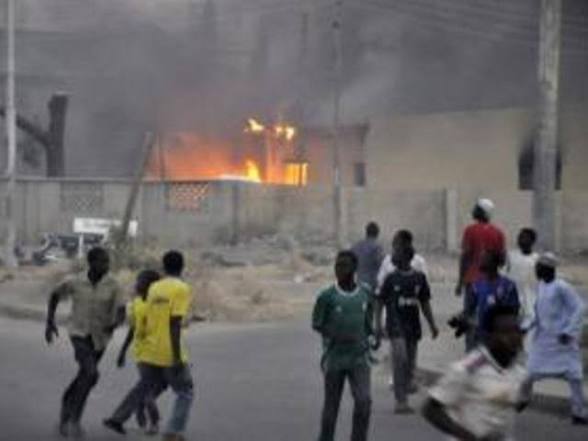
The communities, have been echoing with the sounds of hurried footsteps, gunshots, and the lamentations of families fleeing their homes. The survivors, traditional leaders and clergy alleged that armed assailants have been systematically targeting villages, killing residents and burning homes, prompting them to flee in fear.
The clashes in the communities have roughly extended to two months. Entire villages have emptied almost overnight, leaving behind only burnt homesteads, shallow graves and abandoned farms that once sustained generations.
Local sources confirmed a particularly disturbing development: three soldiers were killed in an ambush while responding to distress calls from affected communities, heightening fears that even security forces are struggling to contain the crisis.
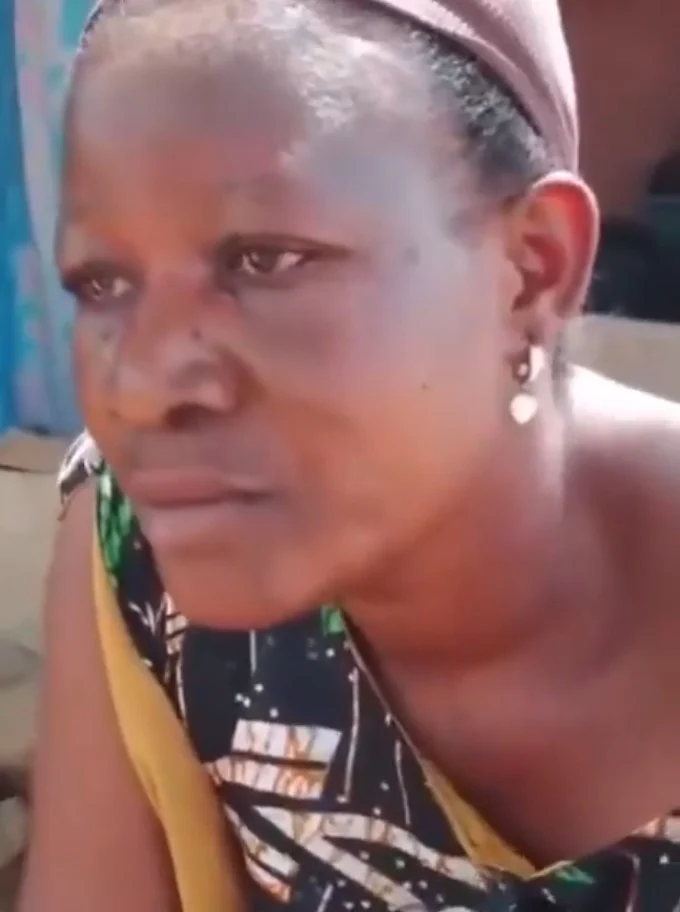
“If soldiers sent to protect us were killed, then we are completely exposed,” said Nongonen Terngu, a displaced farmer. “We no longer farm; we are only seeking to survive.”
The gravity of the situation reached the Taraba State House of Assembly, where Abubakar Tanko Yusuf, the lawmaker representing Takum I State Constituency, raised the matter during a plenary session. He described the killings as “barbaric and unnecessary,” and warned that what once seemed isolated had escalated into widespread violence that could threaten the stability of Takum and neighbouring areas if left unchecked.
Therefore, Tanko urged security agencies to investigate the killings, apprehend the perpetrators, and ensure prosecution, stressing that failure to do so could embolden criminal elements and deepen insecurity in the region. Beyond the legislature, he called for strengthened security deployment, enhanced intelligence gathering, and grassroots engagement in identified flashpoints.
The alarm has also been sounded from the pulpit. During a thanksgiving Mass in Taraba, Bishop Mark Maigida Nzukwein delivered a passionate appeal for help, describing the violence in southern Taraba as a “humanitarian catastrophe.” According to the bishop, more than 70 innocent people have been killed in just three months in Ussa and Takum Local Government Areas, particularly in Chanchanji Ward.
He lamented that the violence had led not only to deaths but also to the destruction of farmlands and homes, calling it a cycle of loss that was devastating families and local economies. “These are not just numbers,” he said. “They are lives, families, and communities being wiped away quietly.”
According to church and community leaders, the violence has displaced thousands, leaving women and children to seek shelter in neighbouring settlements and local markets unable to function as trade dwindles.
Residents argue that the attacks disproportionately affect Christian farming communities, deepening fears of targeted persecution that extends beyond mere resource-based clashes. These concerns echo broader discussions around insecurity in Nigeria’s Middle Belt, areas where faith, ethnicity and land rights often intersect, sometimes violently.
While the Taraba State Police Public Relations Officer, ASP Victor Mshelizah, confirmed that security personnel had been deployed to restore peace and security across affected areas, many residents feel the response has been insufficient against the scale of destruction witnessed on the ground.
Mshelizah stated, “Security personnel have been deployed to the area to restore peace. We are doing everything to keep every part of Taraba safe.”