A prominent historian and international studies scholar, Dr. Gadimoh Nicholas, has sounded a cautionary note on Nigeria’s fight against insurgency, asserting that military force by itself is insufficient to bring lasting peace to the country’s conflict-ridden regions. Dr. Gadimoh Nicholas, whose academic training includes the Nigerian Defence Academy, spoke on Thursday about the limitations of kinetic approaches and the necessity of addressing deeper socio-economic and governance issues to defeat violent extremism.
Dr. Nicholas emphasised that while external military support, such as training, intelligence sharing, and counterterrorism assistance from the United States, can strengthen Nigeria’s tactical capabilities, the root causes of insecurity require more comprehensive solutions.
“Nigeria’s security challenges are compounded by poverty, weak governance, and poor access to education, which have made parts of the North vulnerable to extremist recruitment,” he said. “While the U.S. technological edge and counterterrorism expertise can provide a vital boost, the Nigerian military and government must take the lead to ensure stability is maintained after any intervention.”
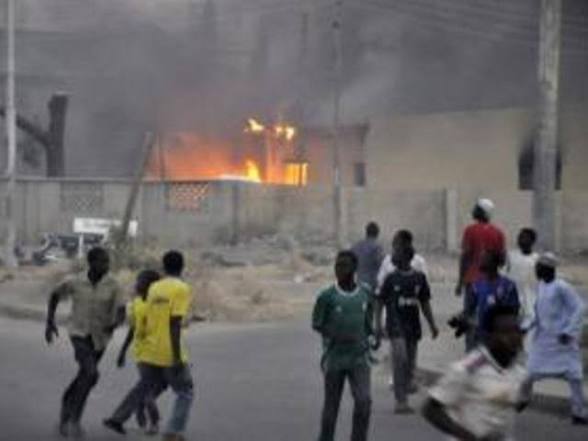
Dr. Nicholas explained that the insurgency in Nigeria has evolved into a complex security crisis that cannot be quelled by military pressure alone. He pointed to persistent socio-economic deprivation, particularly in the North-East, where decades of Boko Haram violence and related conflicts such as banditry and communal clashes have claimed thousands of lives and displaced millions.
“Nigeria has battled Boko Haram and its splinter factions for over a decade,” he noted, highlighting that attacks on civilians, security forces, and infrastructure have continued despite major military campaigns.
Dr. Nicholas urged policymakers and security leaders to complement short-term security measures with sustained investment in governance reform, educational access, economic development, and community reconciliation—steps he said are crucial for undermining the appeal of extremist recruitment and fostering lasting peace.
While acknowledging the potential benefits of U.S. involvement through training and counterterrorism operations, the scholar emphasised the need for Nigerian leadership to remain central in crafting and implementing strategic responses. “The Nigerian military and government must take the lead to ensure stability is maintained after any intervention,” Dr. Nicholas said, underscoring that foreign assistance should support, not supplant, domestic efforts.
His remarks reflect growing discourse among security experts and analysts who argue that multi-dimensional strategies are vital in addressing insurgency and related threats in Nigeria. Such approaches integrate military action with intelligence operations, socio-economic development, community engagement, and institutional reform, resonating with similar expert recommendations across West Africa that emphasize that without tackling poverty, marginalisation and weak governance, military action alone can only recycle cycles of violence rather than resolve them.
Nigeria’s insurgency, which formally began in 2009 with the rise of Boko Haram, has persisted through years of military offensives, including the ongoing Operation Hadin Kai in the North-East. Despite tactical successes against militant strongholds, armed groups have fragmented and adapted, maintaining a persistent threat.
Dr. Nicholas’s warning adds to a broader national conversation about rethinking the country’s security architecture. Experts increasingly contend that while soldiers and technology are necessary, winning the peace requires parallel efforts to build inclusive governance and economic opportunity in communities most affected by violence.