The Minister of the Federal Capital Territory (FCT) and former governor of Rivers State, Nyesom Wike, has embarked on a vigorous campaign in his home state to consolidate support for President Bola Ahmed Tinubu’s re-election bid in the 2027 general elections, while urging political leaders and communities to prioritise unity and collective development.
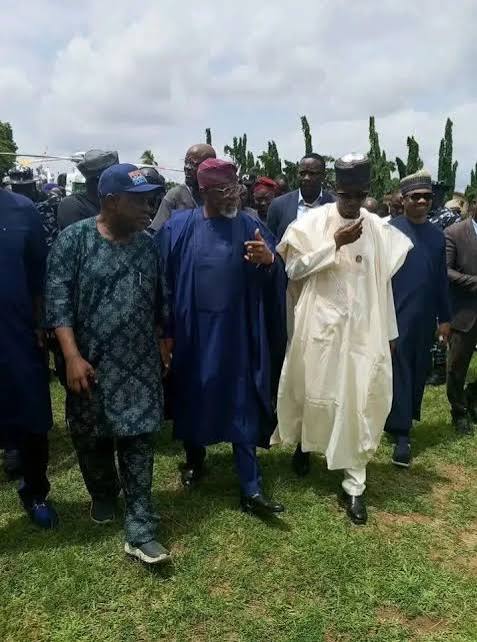
Wike made his appeal on Friday, January 9, 2026, during a “thank-you” visit to Andoni Local Government Area, the 20th stop on his tour of Rivers’ 23 local councils. The tour, officials say, is designed both to express gratitude for the people’s backing of President Tinubu in the 2023 elections and to galvanise further support ahead of 2027.
Standing before community elders, political leaders and residents, Wike reminded them of the development gains that have flowed to Rivers State since the last general elections, attributing them squarely to collective support for the federal leadership.
“See what unity has done. It is no longer a time when one man will be the Iroko, where one man will decide what good will come to Andoni,” Wike said. “By the special grace of God, by the unity of the leaders, more will come to Andoni.”
The minister described the political landscape in the state as transcending party lines, characterising the alliance of various political actors as a “Rainbow Coalition under the Renewed Hope Family.” This, he argued, reflects a broader commitment to shared interests over partisan divides.
“We don’t have a party in Rivers State. What we have is the Rainbow Coalition under the Renewed Hope Family in pursuit of a common course and interest,” he said, urging persistent support for Tinubu’s leadership performance and re-election goals.
Wike also urged leaders to continue working together, saying unity not only attracted development but was essential for the state’s political relevance on the national stage. “More will come to you if the leaders remain united,” he emphasised.
Local political figures expressed strong backing for Wike’s message. Ofiks Kagbang, a member of the Rivers State House of Assembly representing Andoni, reaffirmed gratitude to the minister and pledged the community’s support in the upcoming elections. Kagbang echoed Wike’s call for continued cooperation, affirming that residents would heed the directive for the 2027 polls.
Similarly, Lucky Otuo, Chairman of the Andoni Local Government Council, thanked Wike for his developmental interventions and employment opportunities delivered to the area, particularly noting infrastructure projects executed both during his tenure as governor and in the current political alignment. Otuo assured that “come 2027, Andoni people will vote for Mr President,” adding that any resistance to their “mandate” would be met with stern local resolve.
While affirming his commitment to the federal quest, Wike clarified that discussions about internal state politics and leadership decisions would occur “at the appropriate time,” emphasising that previous missteps within local political contests would be revisited and corrected.
The minister’s call for cohesion resonates amid broader political conversations in Rivers State, where stakeholders, including elders’ councils, have backed the idea of a cross-party coalition to sustain support for Tinubu in 2027, a strategy Wike says is unique to the state’s dynamics.
Wike’s pronouncements in Rivers emerge against a backdrop of intense political mobilization ahead of the 2027 general elections nationwide. While many political factions are consolidating support at state and national levels, Rivers’ Rainbow Coalition has been highlighted by Wike as a model other states might emulate in forging alliances that blur traditional party divides in favour of shared development aspirations.
Analysts say that the enduring influence of Wike, who remains a dominant political figure in Rivers, and his ability to rally both grassroots and elite support could have significant implications for the political landscape ahead of 2027. At the same time, some critics and opposition voices have raised concerns about the alignment of federal resources with political objectives, underscoring ongoing debates about governance, party loyalty and electoral fairness.