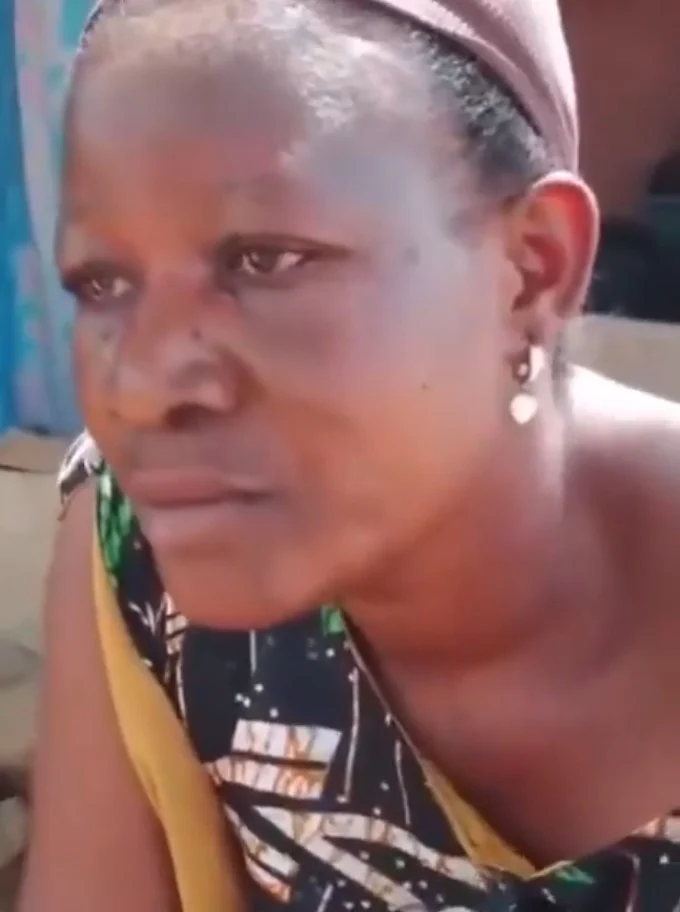
The Benue State House of Assembly on Tuesday passed a significant bill to establish the Benue State Widows Commission, a law aimed at safeguarding the rights and welfare of widows by outlawing harmful cultural practices and prescribing penalties for offenders. The bill, touted by lawmakers as a bold commitment to social justice, was adopted during plenary in the state capital.
The legislation, formally titled “A Law to Establish the Benue State Widows Commission and for Related Purposes, 2025” , emerged from intense deliberations and represents a strategic effort by the Assembly to tackle persistent discrimination and exploitation faced by one of society’s most vulnerable groups.
Speaking during the debate, Mrs. Beckie Orpin (APC/Gboko), Chairman of the House Committee on Women Affairs and Social Welfare, described the bill as “highly significant” in addressing the economic and social marginalisation widows endure. She argued that the passage of the bill would elevate the Assembly’s fulfilment of its constitutional duty to protect the weak and vulnerable in Benue.
Orpin emphasised that widows often confront discriminatory traditions that undermine their dignity and livelihoods, and said that the commission would provide a structured mechanism to prevent such abuses and enforce justice where violations occur.
Following her remarks, Mr. Thomas Dugeri (APC/Kwande West), Majority Leader of the House, moved for the adoption of the bill’s findings, recommendations, and all clauses, underscoring broad legislative backing.
After debate, Speaker Alfred Emberga invited Dr. Bem Mela, the Clerk of the House, to read the bill for the third time, after which the House formally approved its passage into law.
In the same sitting, the House considered a report by the Standing Committee on Women Affairs and Social Welfare following its familiarisation visit to the Benue State Rehabilitation Board in Apir. Committee Chairman Orpin told lawmakers that the law establishing the board had outlived its usefulness and needed to be repealed, as the board presently operates under an outdated legal framework.
Orpin warned that the board’s monthly local government contribution of ₦100,000 was woefully inadequate to support essential services, pointing to a lack of basic infrastructure, including a sick bay, instructional materials, and vehicles, that hindered its operations.
Echoing this concern, Dugeri described the board’s condition as “pitiable”, lamenting infrastructure decay and inadequate feeding for students, and urged decisive government action to secure the welfare of the board’s beneficiaries.
Mr. McClinton Manger (APC/Tarka) added that even the modest monthly allocations were rarely released, prompting calls for more reliable funding to help protect the future and livelihoods of the board’s wards.
Responding to the committee’s findings, Speaker Emberga directed the Committees on Women Affairs, Business, and Rules to prepare a draft bill to repeal the 1996 edict that originally established the Rehabilitation Board. The move signals a comprehensive legislative overhaul of institutions responsible for vulnerable populations.
Emberga also announced that the House had approved an upward review of the board’s monthly allocation from ₦100,000 to ₦1,500,000, a fifteen-fold increase intended to strengthen its capacity and responsiveness. He urged the Commissioner for Finance to ensure timely disbursement of funds.
In addition, the Speaker directed the state government to procure a Toyota bus for students and a Hilux vehicle for official use by the board, and called for the provision of instructional materials to improve education quality at the facility.
The passage of the Widows Commission Bill and the review of the Rehabilitation Board’s mandate reflect a growing legislative focus on social welfare reforms in Benue State. Advocates argue that the establishment of a statutory commission dedicated to widows could mark a turning point in tackling entrenched cultural biases and expanding support systems for women who have lost their spouses.
The development comes amid ongoing debate in Nigeria over the need for stronger legal protections for widows, who often face social exclusion and economic insecurity in the wake of their spouses’ deaths. Analysts say the Benue State initiative could serve as a model for other states considering similar legislative measures.