Sixty-five years after independence, Nigeria’s education sector remains mired in underfunding, insecurity, poor infrastructure, and weak policy implementation — challenges that persist despite recent increases in budgetary allocations.
With more than 300 tertiary institutions, millions of students, and a growing private school system, experts say the foundations of public education are still weak. Chronic underfunding, dilapidated facilities, shortage of qualified teachers, insecurity, and recurring strikes continue to undermine progress.
On Monday, the Academic Staff Union of Universities (ASUU) issued a 14-day ultimatum to the Federal Government over its alleged neglect of the university system and failure to meet previous agreements, raising fears of another indefinite strike. Stakeholders warn that unless urgent reforms are pursued, the sector’s contribution to national development will remain stunted.
At the basic and secondary levels, the picture is equally grim. Across the country, thousands of pupils study under leaking roofs and broken furniture, with too few teachers to cater for them. Chairman of the Governing Council, Federal College of Education, Ofeme-Ohuhu, Rabia Adamu, noted that Nigeria faces a “teacher crisis,” estimating a shortfall of at least 1.2 million teachers nationwide.
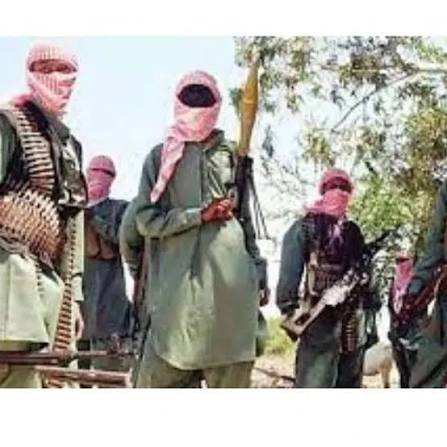
Security threats further deepen the crisis. Mass abductions of students — from the 2020 Kankara kidnapping of over 300 pupils, to the Greenfield University attack in 2021, and the unresolved abduction of Leah Sharibu since 2018 — have scarred communities and shaken confidence in school safety.
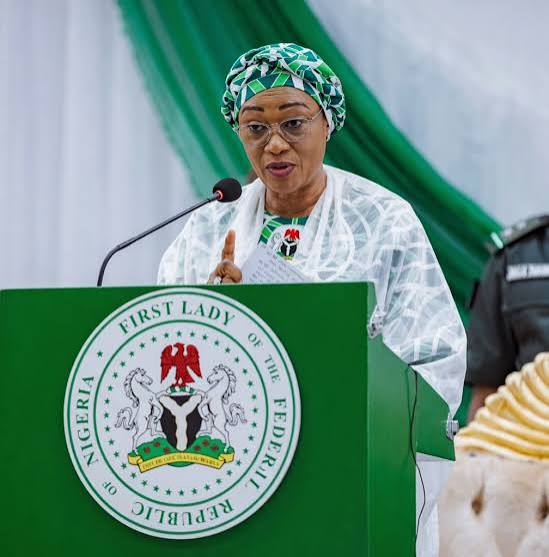
Despite President Bola Tinubu’s administration allocating a record ₦3.52 trillion to education in the 2025 budget — a 61.47% increase from the previous year and about 7% of the national budget — experts say the figure still falls short of the UNESCO benchmark of 15–20%.
Prof. Olawale Albert, Professor of African History, Peace and Conflict Studies, warned that the funding gap continues to cripple the sector.
“Despite recent reforms and budget increases, education remains chronically underfunded, with wide gaps in teacher salaries and infrastructure,” he said.
Former Vice-Chancellor of the University of Ibadan, Prof. Idowu Olayinka, stressed the urgency of scaling up investment:
“We need more funding for facilities, emoluments, and teacher training at every level. The public school system, which serves the majority, requires massive improvement.”
Beyond funding, technology remains a weak link. Former Nigerian Ambassador to the Philippines, Dr. Yemi Farounbi, cited recent failures in Computer-Based Tests (CBT) conducted by JAMB and WAEC as evidence of how far behind the system is.
“In other countries, they are discussing the fifth technological revolution. Here, CBT centres still crash, and WAEC students sit exams with torchlights,” he lamented.
Vice-Chancellor of Trinity University, Prof. Clement Kolawole, described education as central to Nigeria’s development story but noted that underfunding remains the sector’s “Achilles heel.”