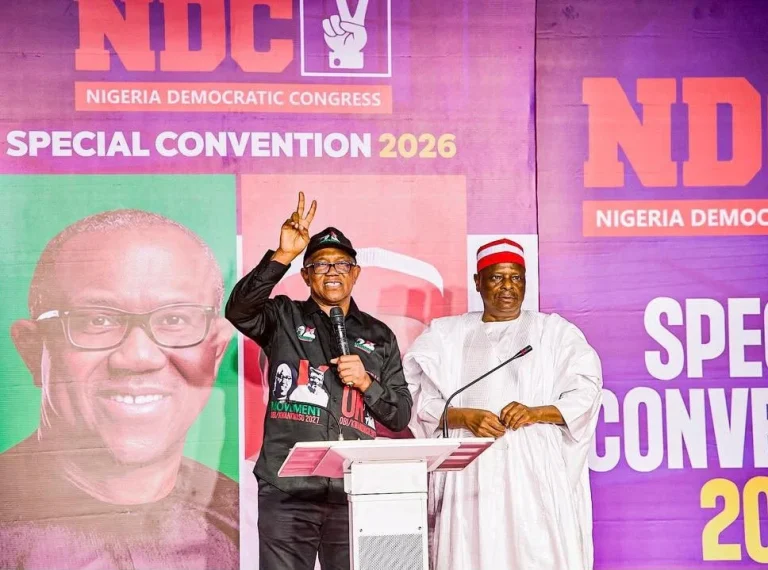
The 2027 general election is shaping up to be a challenging contest for Nigeria’s opposition parties as President Bola Tinubu-led All Progressives Congress (APC) continues to consolidate power across key and populous states.
Findings indicate that while the ruling party is strengthening its political structure nationwide, opposition parties are grappling with internal divisions, leadership disputes, and a growing wave of defections.
Although the African Democratic Congress (ADC), adopted by a coalition of opposition leaders, was positioned to challenge President Tinubu’s re-election bid, the party is currently facing disagreements among supporters of its presidential aspirants over the party’s ticket.
Similarly, persistent crises within the Peoples Democratic Party (PDP) and the Labour Party (LP) have continued to weaken their structures, creating room for defections into the ruling party.
Since late 2025, opposition parties have experienced significant depletion following the defection of several state governors, lawmakers, and local government chairmen to the APC.
At the inauguration of President Tinubu’s administration in May 2023, the APC controlled about 21 states, while opposition parties governed 15. However, recent developments indicate that the ruling party now controls 29 states, leaving the opposition with just seven states.
Of the remaining states under opposition control, the PDP governs five, while the All Progressives Grand Alliance (APGA), the Labour Party (LP), and the Accord Party (AP) control one state each.
Kano State, often described as Nigeria’s political nerve centre due to its large voting population, remains a critical battleground ahead of the 2027 elections.
The political landscape in the state shifted following the defection of Governor Abba Yusuf from the New Nigerian Peoples Party (NNPP) to the APC, a move that has generated mixed reactions among political stakeholders.
In the 2023 presidential election, the NNPP, with Rabiu Kwankwaso as its candidate, secured 997,279 votes in Kano, defeating Tinubu, who polled 517,341 votes out of 5,921,370 registered voters.
While some analysts believe Governor Yusuf’s defection may boost the APC’s chances in Kano in 2027, others argue that Kwankwaso’s loyal support base could limit the ruling party’s influence. There are also indications that Kwankwaso may align with the opposition coalition ahead of the election.
Meanwhile, the ADC is facing internal challenges that could affect the opposition’s prospects in the upcoming election.
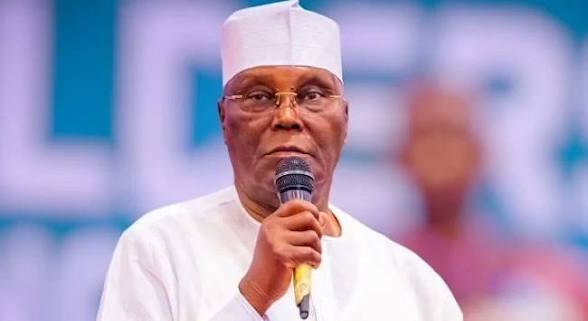
Disagreements have reportedly emerged among key figures within the party, including former Vice President Atiku Abubakar, former Anambra State Governor Peter Obi, and former Rivers State Governor Rotimi Amaechi, over who should secure the party’s presidential ticket.
Supporters of the aspirants have continued to push competing positions, including calls for zoning the ticket to the South.
In addition, the emergence of a faction led by Nafiu Gombe has raised concerns over possible legal and structural complications within the party.
Speaking on the development, a chieftain of the party in Benue State, Enejo Micheal, alleged that the Tinubu administration was deliberately weakening opposition parties to encourage defections.
He, however, maintained that despite the internal challenges, the opposition remains confident of resolving its differences and presenting a strong challenge in the 2027 general election.