The Federal Government has officially launched a new safe Nigeria Initiative, a large-scale youth empowerment programme aimed at tackling insecurity by addressing its socio-economic root causes, in a major policy push unveiled in Abuja on Tuesday.
This was unveiled at the National Counter Terrorism Centre (NCTC) under the Office of the National Security Adviser (ONSA), the initiative, also known as Youth Empowerment for Peace and Resilience, seeks to equip over 11,000 vulnerable youths across Nigeria with practical skills, livelihood support, psychosocial care and civic education.
The launch event was led by the National Security Adviser, Nuhu Ribadu, with Major-General Adamu Laka, National Coordinator of the NCTC, representing him. In his address, Maj-Gen. Laka outlined the rationale behind the programme, emphasising that security threats such as violent extremism, banditry, kidnapping and organised crime are fundamentally linked to deeper structural issues.
“It is evident that violent extremism, organised crime, banditry, kidnapping, and other security threats are not isolated phenomena. They are symptoms of deeper structural challenges, including poverty, unemployment, social exclusion, trauma, and limited access to opportunities,” Laka said. “The initiative is designed to bridge humanitarian response and national security objectives by empowering vulnerable youths with skills, livelihoods, psychosocial support, and civic awareness. Young people who are economically productive, socially included, and psychologically supported are far less likely to be drawn into crime or violent extremism.”
Laka stressed that the programme’s nationwide coverage underscores a deliberate investment in preventive security measures that complement traditional military and police operations. “With nationwide coverage and an anticipated reach of over 11,000 youth beneficiaries, the initiative represents a deliberate investment in prevention,” he added.
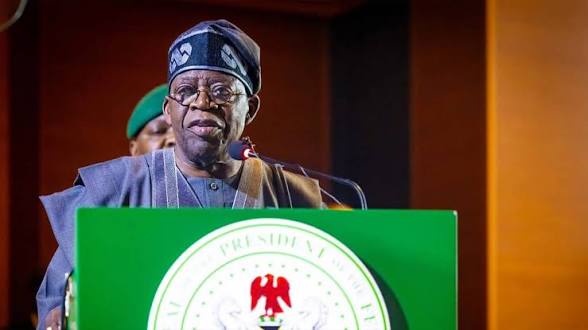
The Senior Special Assistant to the President on Humanitarian Affairs and Poverty Reduction, Mrs. Delu Yakubu, described the initiative as integral to President Bola Tinubu’s Renewed Hope Agenda, signalling a shift toward people-centred, non-kinetic security interventions. According to Yakubu, the programme will prioritise vocational training, entrepreneurial support, peacebuilding education and psychosocial care, particularly for youths from vulnerable, conflict-affected communities.
Also speaking at the event, Senator Atiku Bagudu, Minister of Budget and Economic Planning, said Nigeria’s youthful population remains one of its greatest assets, but only if deliberately and sustainably invested in. “A more skilled population is not only an economic asset but also a strategic tool for inclusion, resilience and long-term national stability,” he remarked, linking skills development with broader socio-economic progress and national security.
The initiative also drew support from Abdulateef Shittu, Director-General of the Nigeria Governors’ Forum, who said state governments remain ready to support implementation through community engagement and coordination. Shittu emphasised that youth empowerment must be treated not just as social policy but as a national security imperative requiring whole-of-government and whole-of-society collaboration.
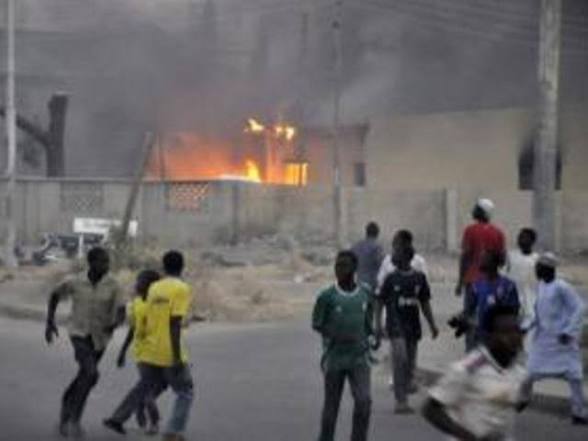
The launch of the Safe Nigeria Initiative comes amid persistent insecurity challenges across parts of Nigeria, where authorities and analysts alike have increasingly linked rising criminality to youth unemployment, poverty and social exclusion. By shifting focus toward preventive and resilience-building strategies, the government appears to be signalling a broader rethinking of how to address insecurity beyond traditional law enforcement responses.