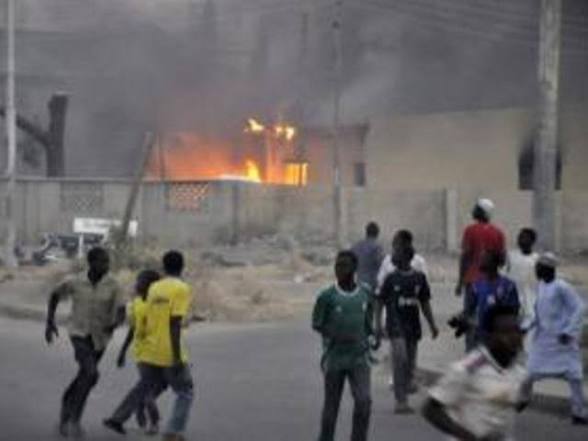
The persistent insecurity in Borno State has again come under scrutiny as Senator Ali Ndume (APC–Borno South) has condemned a fresh wave of Boko Haram attacks that claimed the lives of four farmers and resulted in the destruction of community infrastructure.
The victims were reportedly harvesting crops in Kwam village near Dille, Askira-Uba LGA, when insurgents launched a fatal assault—an attack the senator described as evidence of the widening vulnerabilities faced by rural communities despite ongoing counter-terrorism operations.
Ndume warned that the pattern of violence indicates not just isolated incidents but a systemic failure to secure outlying settlements, many of which remain exposed due to inadequate military and law enforcement presence.
“The killings of these farmers reflect a disturbing resurgence of terrorist activities. Our communities continue to face unrelenting threats without sufficient protection,” he said.
The senator further referenced last week’s attacks in Pemi—where a church and other buildings were burned—and the reported invasion of the Shikarkir community in Chibok, arguing that these incidents collectively expose critical operational lapses in Nigeria’s security architecture.
LegalObserver analysis indicates that the recurring attacks raise significant questions regarding:
The constitutional duty of the Nigerian state to protect lives and property
The effectiveness of current security deployment strategies
The accountability mechanisms for repeated security failures in high-risk regions
Ndume emphasized that the absence of consistent security patrols has emboldened insurgents, who now operate with minimal resistance.
“The inability of security agencies to maintain sustained presence in these areas has allowed attacks to increase without confrontation,” he noted.
Human rights advocates argue that beyond the immediate loss of life, the attacks constitute a violation of residents’ right to safety, economic survival, and freedom of worship—given the burning of religious structures.
As communities continue to grapple with heightened fear and displacement, stakeholders are calling for urgent reforms, enhanced security coordination, and long-term stabilization measures in Borno’s vulnerable corridors.